*** English Version below***
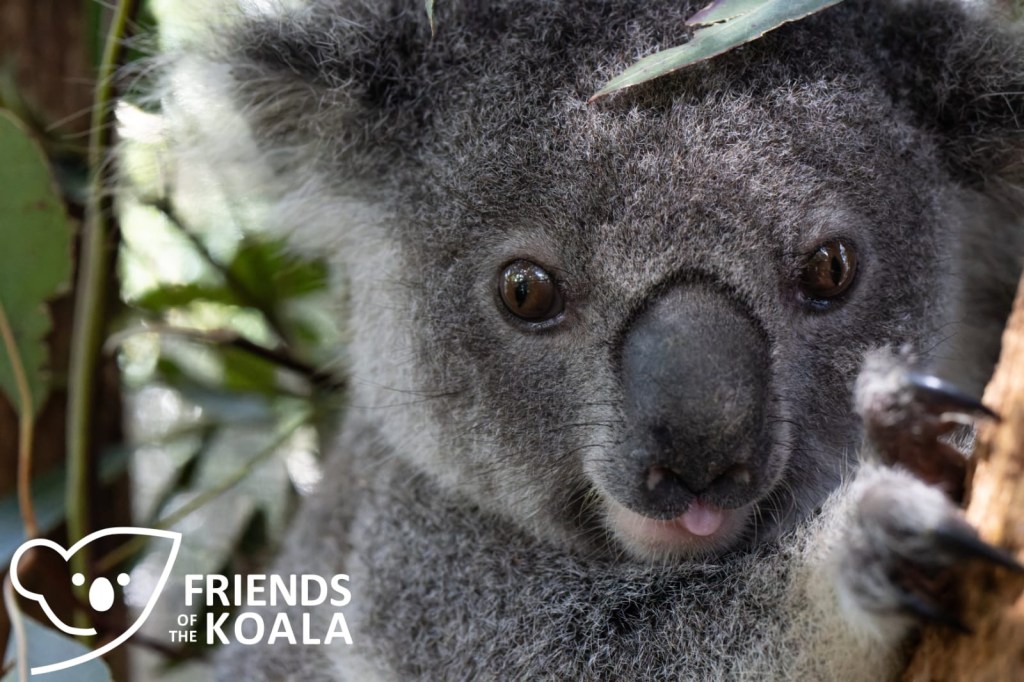
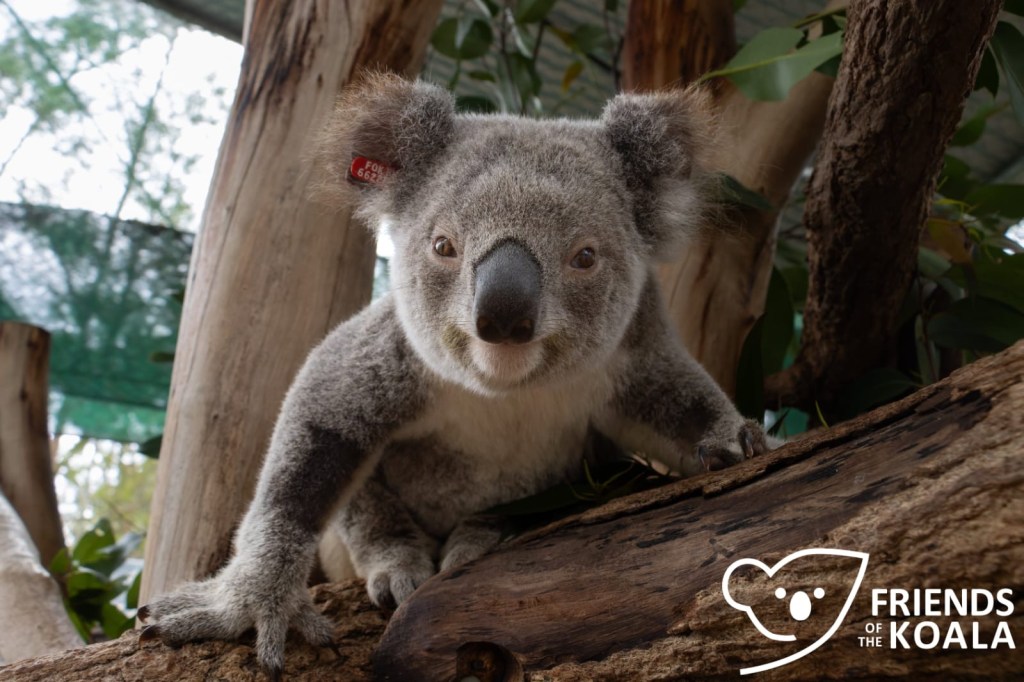
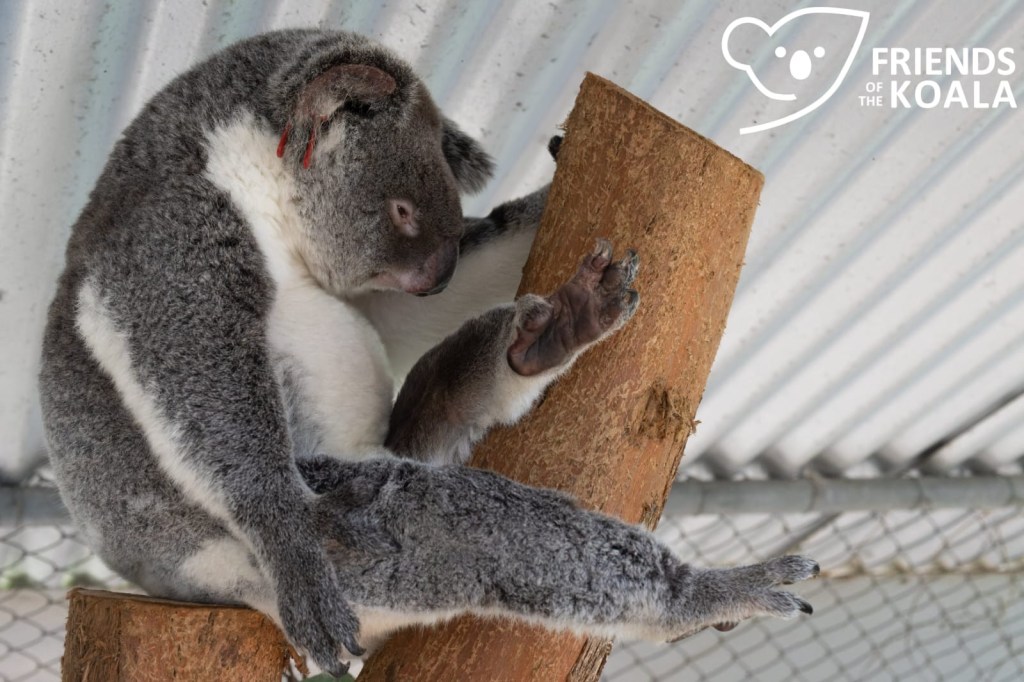
Für viele von uns sind Koalas kleine graue & super süße Fellnasen oder schon fast Teddybären und wir beobachten sie oft gerne beim Schlafen im Zoo zuhause in Europa. Hier in Australien sieht die harte Realität aber leider anders aus – klar gibt es hier auch Zoos, wo man sie beobachten kann, aber leider findet man mehr kranke oder verletzte Tiere in der Natur, als wir von Europa aus uns vorstellen können. Da mir Koalas sehr am Herzen liegen und sie zu meinen Lieblingstieren gehören, war mir sehr schnell klar, dass ich in Australien Freiwilligenarbeit leisten möchte.
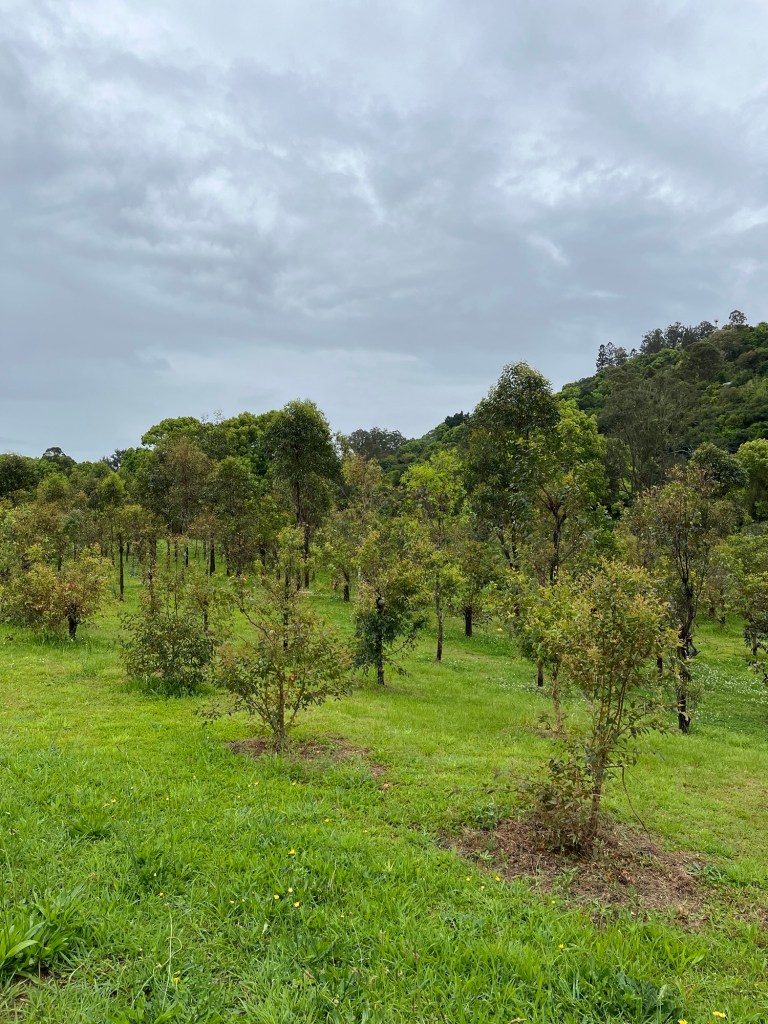
Um Koalas zu schützen, da ihr Lebensraum immer mehr durch verschiedene Faktoren bedroht werden (z.B. Bebauung von Lebensraum durch uns Menschen, Buschfeuer, etc.), gibt es in Australien viele Organisationen, die sich um das Wohlergehen der Koalas sorgen: Sie retten verletzte oder kranke Tiere aus ihrer Region, kümmern sich so lange um sie, bis die Tiere wieder gesund sind oder erlösen sie von ihrem Leiden, falls dies die beste Möglichkeit für sie sein sollte, und lassen die gesund gepflegten Tiere wieder zurück in die Wildnis frei. Aber sie versuchen auch die Locals auf die Gefahr für die Koalas zu sensibilisieren, vor allem in ihrer Brutzeit von Winter bis Sommersaison. Ebenso bauen sie Plantagen auf oder unterstützen Baumpflanz-Aktionen, um den Lebensraum wieder aufzuforsten.
Leider nutzen viele Organisationen hier vor Ort es aus, wenn man als International kommen will, um zu arbeiten. Zunächst fand ich das wirklich abschreckend, dass ich dafür Geld zahlen soll, wenn ich kostenlos arbeite und weder Unterkunft noch Essen gestellt bekomme. Die harte Wahrheit hier ist: die Organisationen sind oftmals nicht unterstützt von der Regierung und müssen für sich sorgen – mit steigender Zahl verletzter oder kranker Koalas, um die sich kümmern müssen, kein einfaches Unterfangen! Gerade Medizin ist einfach super teuer – kennen wir ja von unserer Medizin auch.
Friends of the Koala / Lismore / Volunteer Roles & Application
Nach langer Recherche im Internet habe ich dann eine Organisation gefunden, die kein Geld von Internationals nimmt, die bei ihnen arbeiten wollen: Friends of the Koala in Lismore in New South Wales.
Lismore? Nie gehört bisher! Lismore ist eine Kleinstadt 45 Minuten Inland von Byron Bay, Public Transport hierher kann man vergessen, Greyhound fährt hier nicht her, nur Premier Bus Services (was ich auch erst rausgefunden habe, als ich in Brisbane war) und das auch nur 1 x am Tag, aber immerhin. Am einfachsten ist es, ein eigenes Auto zu haben oder ihr fahrt bis Byron Bay mit dem Greyhound Bus und nehmt euch für einen Tag einen Mietwagen, den ihr von Byron Bay nach Lismore mietet (Einwegmiete ist möglich!)
Friends of the Koala wird aktuell von ungefähr 300 Freiwilligen unterstützt, es gibt ganz viele verschieden Rollen, die alle wichtig sind:
Das Hotline Team, die 24h jeden Tag lang verfügbar sind und alle Anrufe annehmen, wenn ein Koala gesichtet wird. Sie fragen die Person am Telefon nach den Details des Koalas, wie das Tier sich verhält und entscheiden, ob es sinnvoll ist, dass jemand vom Team vorbeikommt oder der Koala gesund wirkt.
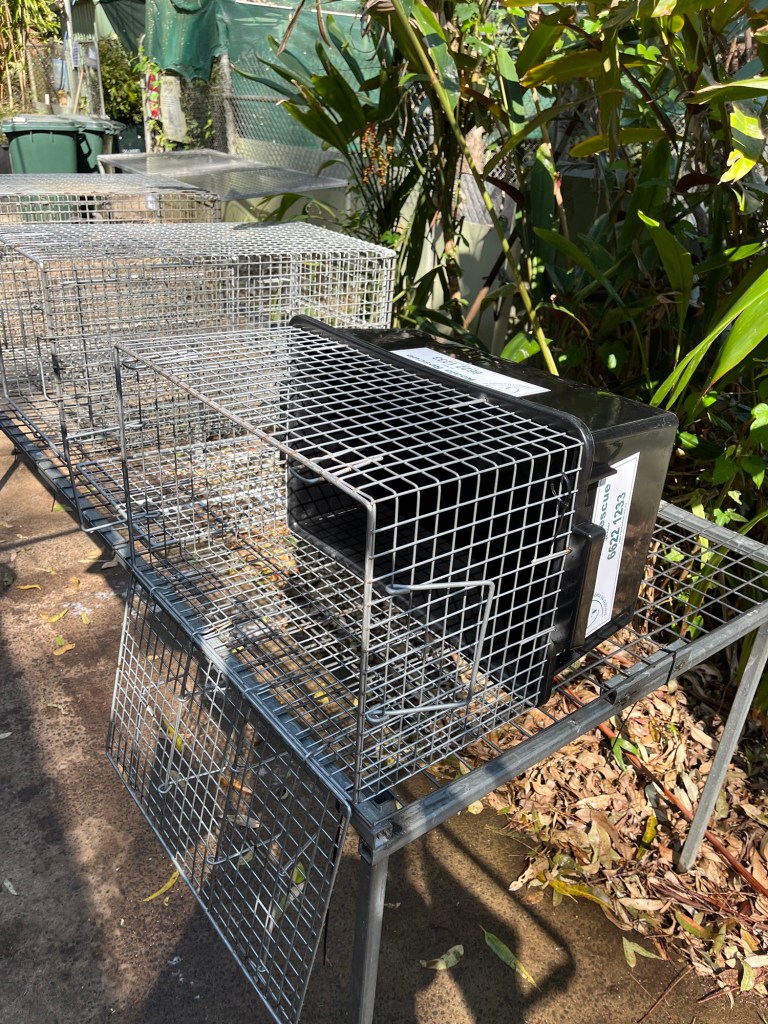
Sie geben alle Informationen weiter an das Rescue & Release Team, die ebenfalls Tag & Nacht verfügbar sind – die Rettungsmissionen gehen bis zu einer einfacher Fahrtzeit von circa 3h – so groß ist die Region, die von der Organisation unterstützt wird. Ein Team Member oder zwei fahren zum Fundort, reden nochmal mit unserer Ansprechperson vor Ort und beobachten den Koala: ist er gesund oder gibt es Auffälligkeiten, die untersucht werden müssen? Entscheiden sie, dass der Koala ins Krankenhaus gebracht werden muss, dann nehmen sie den Koala in einem Rescue Cage mit und bringen das Tier zum Krankenhaus zurück.
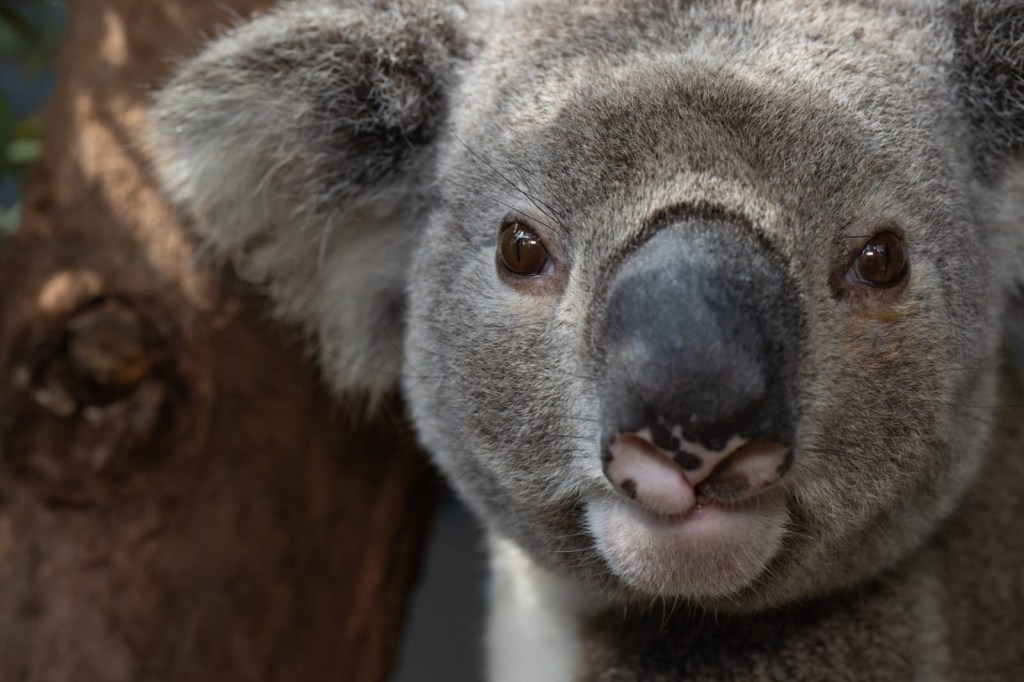
Unser Tierarzt & Krankenpfleger Team unternimmt eine Erstuntersuchung & nimmt das Tier in unsere Pflege auf. Sie sind hauptzuständig für alle Koalas, solange sie in unserem Krankenhaus sind & untersuchen sie regelmäßig, um den Fortschritt zu kontrollieren.
Pro Tag in der Rehab & Care Schicht kümmern sich die Freiwilligen um die Gehege der Koalas, diese gehören ausgemistet & gesäubert, der Koala beobachtet auf sein Verhalten und die Medizin sowie Supplements verteilt werden.
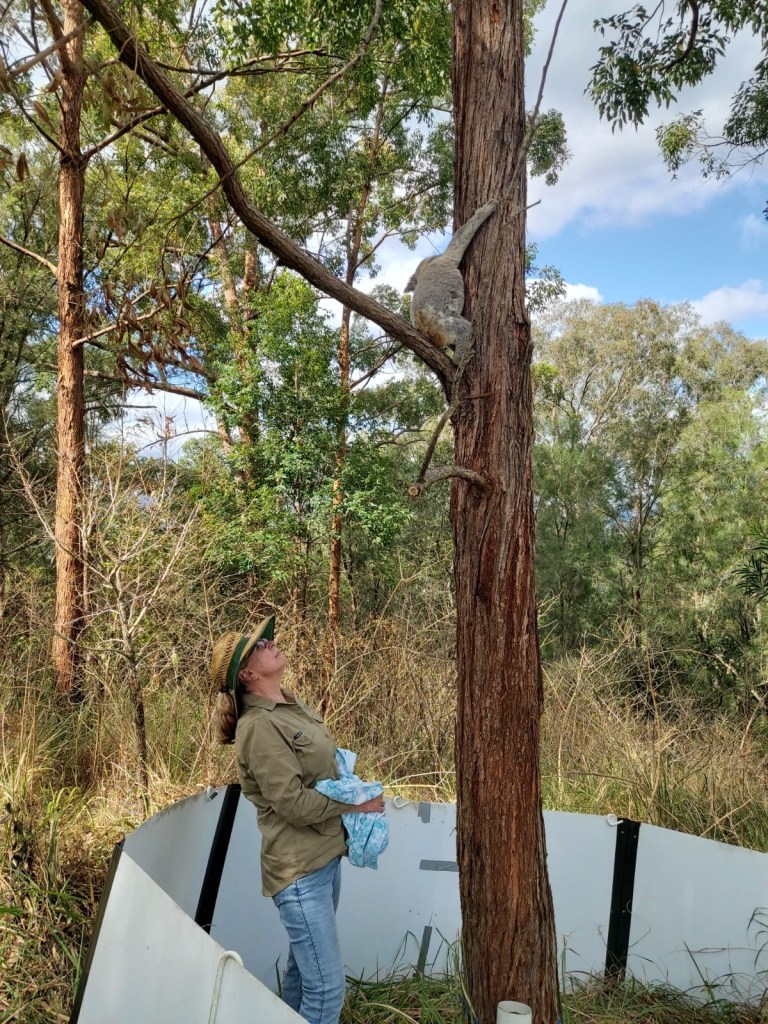
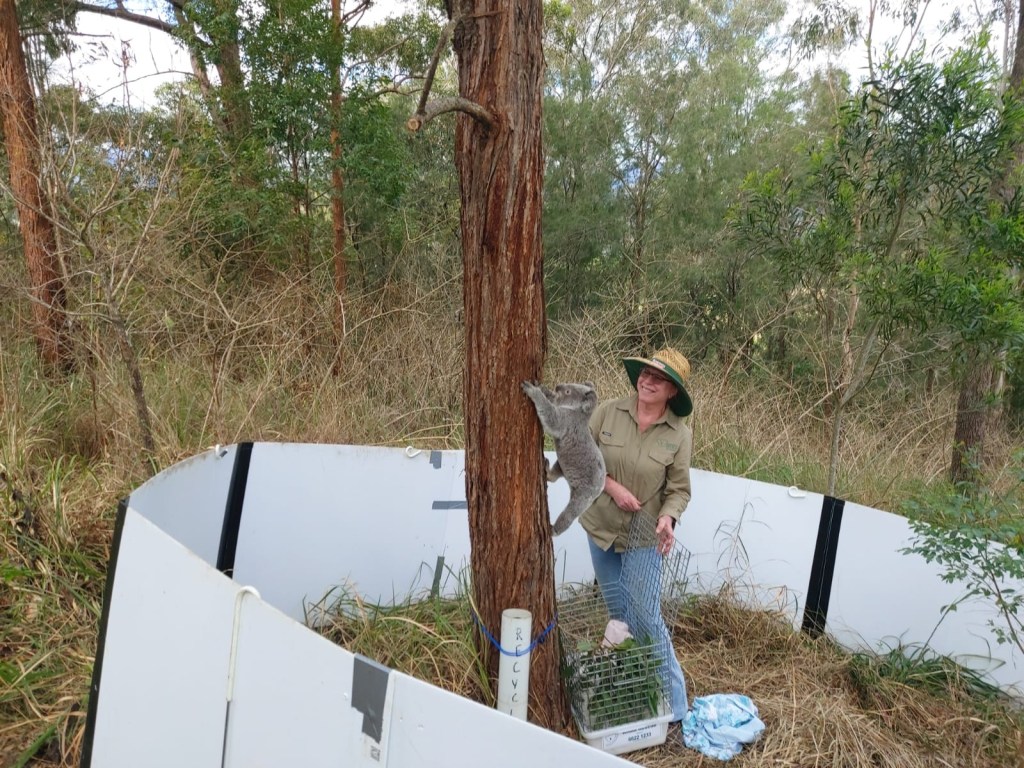
Sobald der Koala wieder ganz gesund ist, wird er oder sie zurück in sein ursprüngliches Territorium zurück gebracht, manche werden nach langem Aufenthalt im Krankenhaus über einen Soft Release (abgesperrtes Areal mit Bäumen für die Tiere zum Klettern unter Aufsicht) oder direkt zurück in die Freiheit entlassen. Den Transport hierher übernehmen auch wieder unsere Rescue & Release Volunteers.
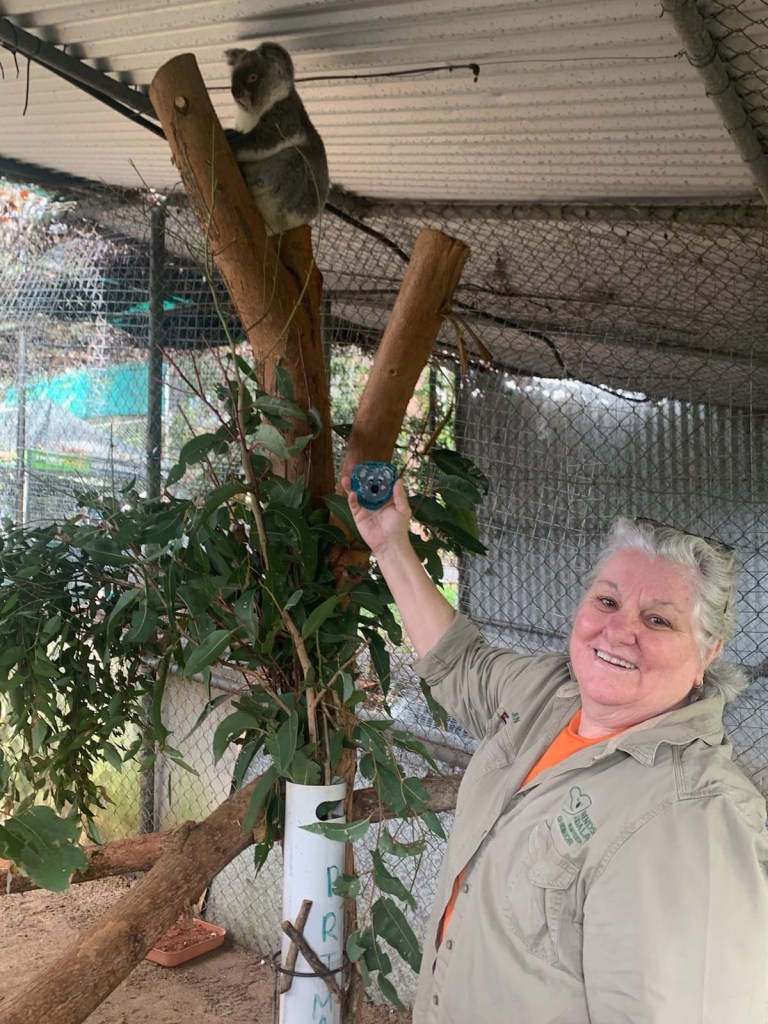
Um die Organisation zusammenzuhalten, alles zu kooridinieren und die Spenden zu organisieren, gibt es auch ein Rezeptionsteam. Für alle Besucher, die vorbeikommen wollen oder Lieferungen sind sie die Ansprechperson, helfen aber auch bei den Donnation Boxes oder sonstigem, was noch so anfällt jeden Tag. Sie unterstützen die Volunteer Coordinatorin Jen, die alle zusammenhält und Ansprechpartnerin für alle Freiwilligen ist.
Wie werde ich ein International Volunteer?
Der Prozess für uns Internationals ist recht einfach, man schreibt eine Mail an Jen, der Volunteer Coordinatorin hier vor Ort, stellt sich vor, warum man aushelfen möchte und von wann bis wann man hier ist. Ich habe das alles noch aus Deutschland organisiert, wir hatten ab Anfang April Kontakt für meinen Start Anfang August – bei meiner Ankunft meinte Jen, sie kennt mich schon, da wir so viel E-Mail Kontakt vorher hatten.
Ihr könnt es auch später organisieren, aber in Lismore gibt es nicht viele Airbnb Möglichkeiten und leider hört meine Host hier auf, das Zimmer zu vermieten, damit wird der Markt nochmals kleiner! Alternativ gibt es im Ort auch zwei Campingplätze, falls ihr mit einem Van unterwegs sein solltet, Hostels findet man hier leider keine.
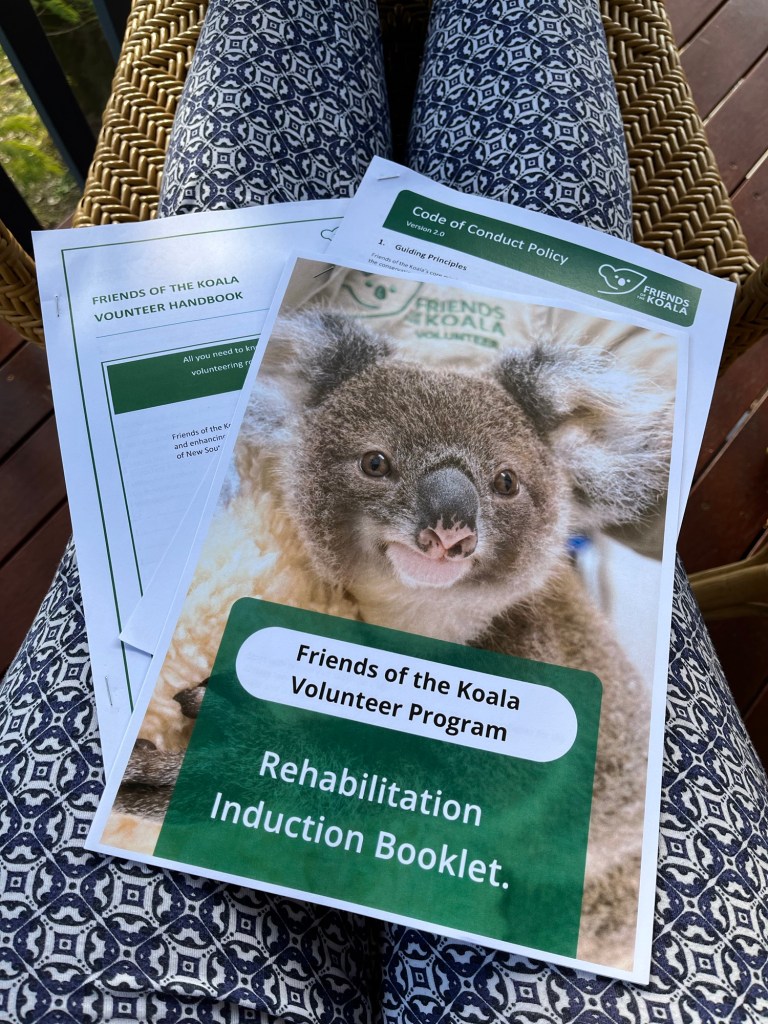
Vor eurem ersten Tag habt ihr einen Induction Termin, wo Jen mit euch alles durchgeht, welche Richtlinien es gibt, worauf ihr achten sollt und ihr legt euren Arbeitsplan fest. Ihr könnt euch aussuchen, wie viele Tage ihr arbeiten wollt, auch wenn online mindestens 5 Tage steht. Es gibt 2 Schichten bei den Rehab & Care Volunteers pro Tag: Die Frühschicht ist von 09:00 bis 12:00 Uhr am Vormittag, die Nachmittagsschicht von 12:30 bis 16:00. Den engsten Kontakt zu den Koalas habt ihr in der Nachmittagsschicht.
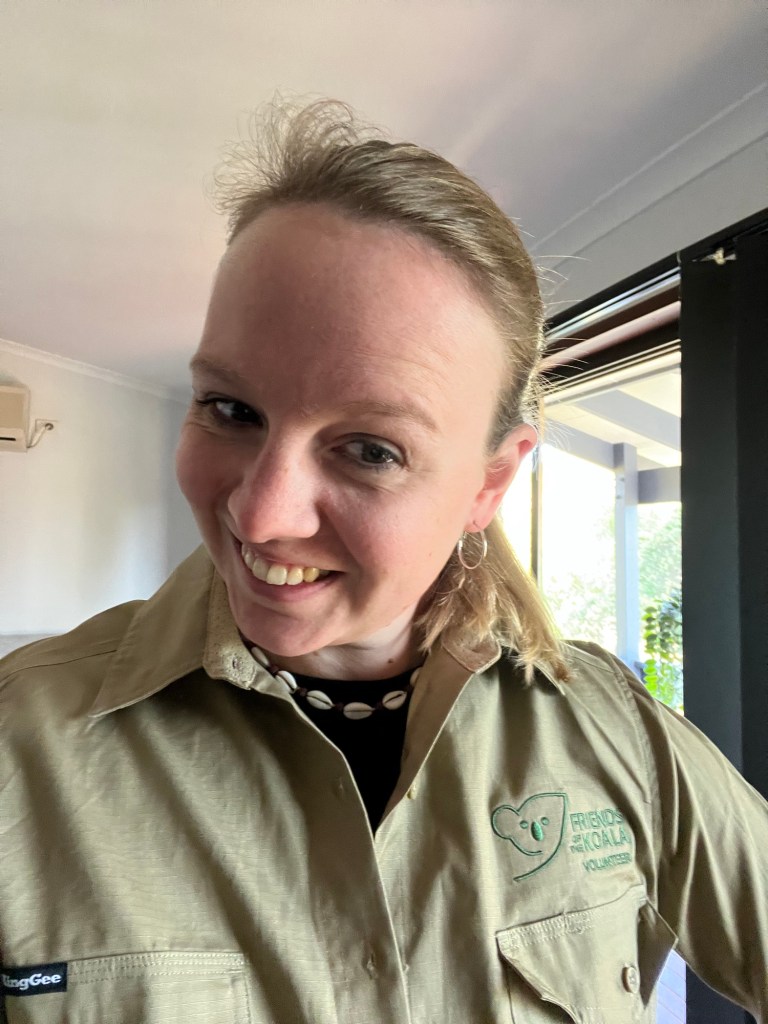
Vormittagsschicht Rehab & Care Team:
Am Vormittag gibt es generell hauptsächlich Office bzw. Rezeption Arbeit zu leisten, das kann alles verschiedene sein von Telefondienst, E-Mails, Dinge drucken, etc.
Außerdem könnt ihr bei der Vormittagsschicht vom Rehab & Care Team mithelfen, die hauptsächlich die Supplements und Medizin an die Koalas verteilen und ihnen geben. Dabei kommen sie, je nachdem, wie viele Koalas gerade auf der Station sind, z.B. nicht dazu, die genutzten Käfige zu säubern oder die Wäsche aufzuhängen bzw. zusammenzulegen. Solche kleinere Aufgaben sind Zeitaufwendig und sie freuen sich meist sehr, wenn man dabei aushilft – so hat auch die Nachmittagsschicht weniger zu tun.
Nachmittagsschicht Rehab & Care Team:
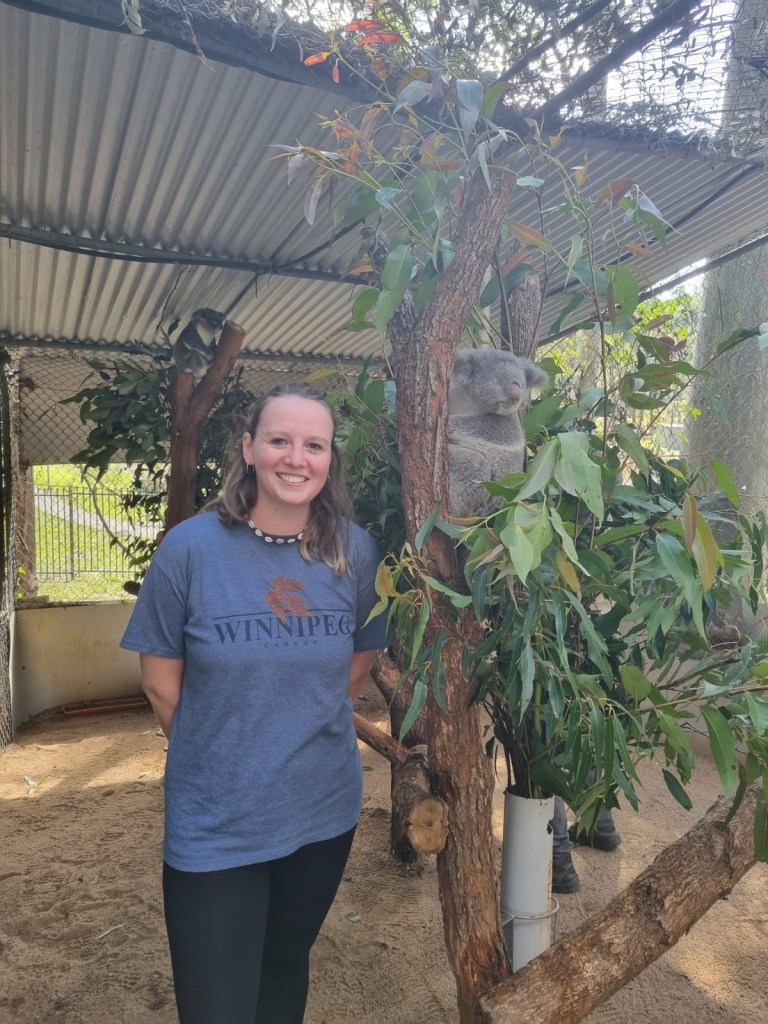
Am Nachmittag kümmert man sich um die Gehege der Koalas. Zu Beginn gibt es eine Teambesprechung mit den Tierärzten pro Tag, wie es welchem Koala geht und ob man auf bestimmtes achten muss. Danach werden die Koala Gehege an die vor Ort anwesenden Volunteers verteilt. Normalerweise kümmert man sich um ein bis zwei Gehege pro Schicht.
Wenn ihr euch nun vorstellt, dass man hier leichte Arbeit leistet oder man die ganze Zeit mit den Koalas kuscheln kann, so muss ich euch hier leider enttäuschen. Koalas sind wilde Tiere und wir kümmern uns hier um verletzte Tiere, die danach wieder in die Wildnis entlassen werden sollen. Daher gibt es kein Koala kuscheln, man mistet eher die Gehege aus und assistiert sonst, wo man kann, bei erfahrenen Volunteers. Für mich stellt das kein Problem dar, ich wusste es von Anfang an, finde es aber wichtig, hier einmal darauf hinzuweisen, damit ihr euch keine falschen Hoffnungen macht. Ihr bekommt auch trotz fehlendem direktem Kontakt mit den Koalas so viel zurück von den kleinen grauen Bären, dass man die Arbeit sehr gerne erledigt.
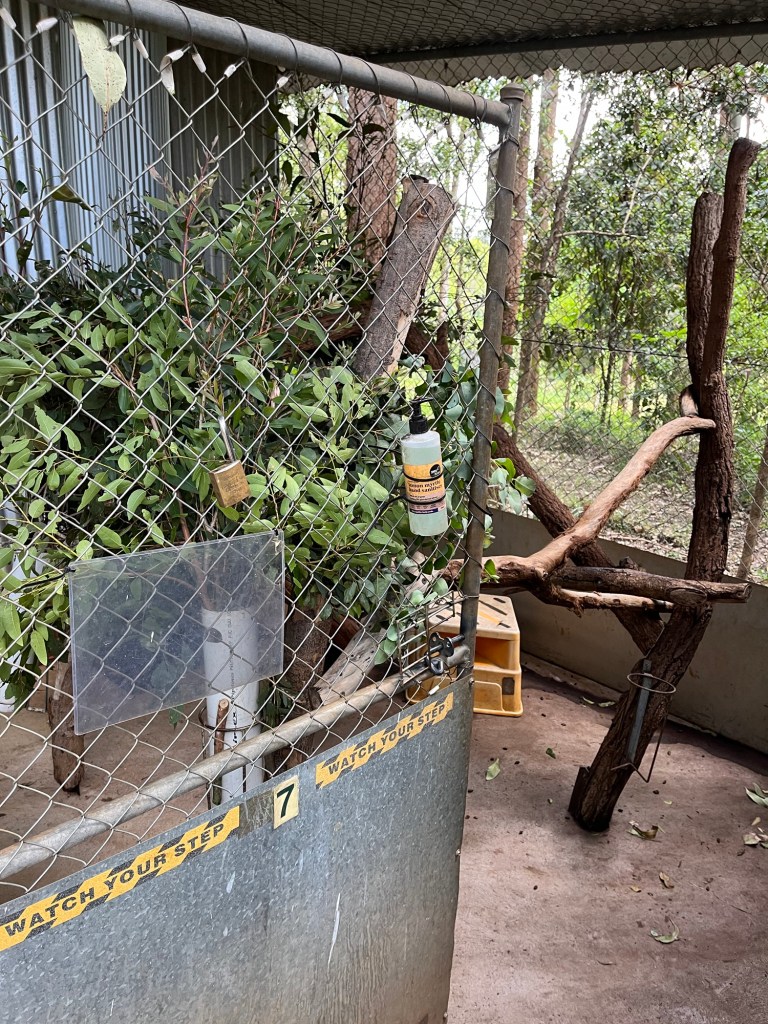
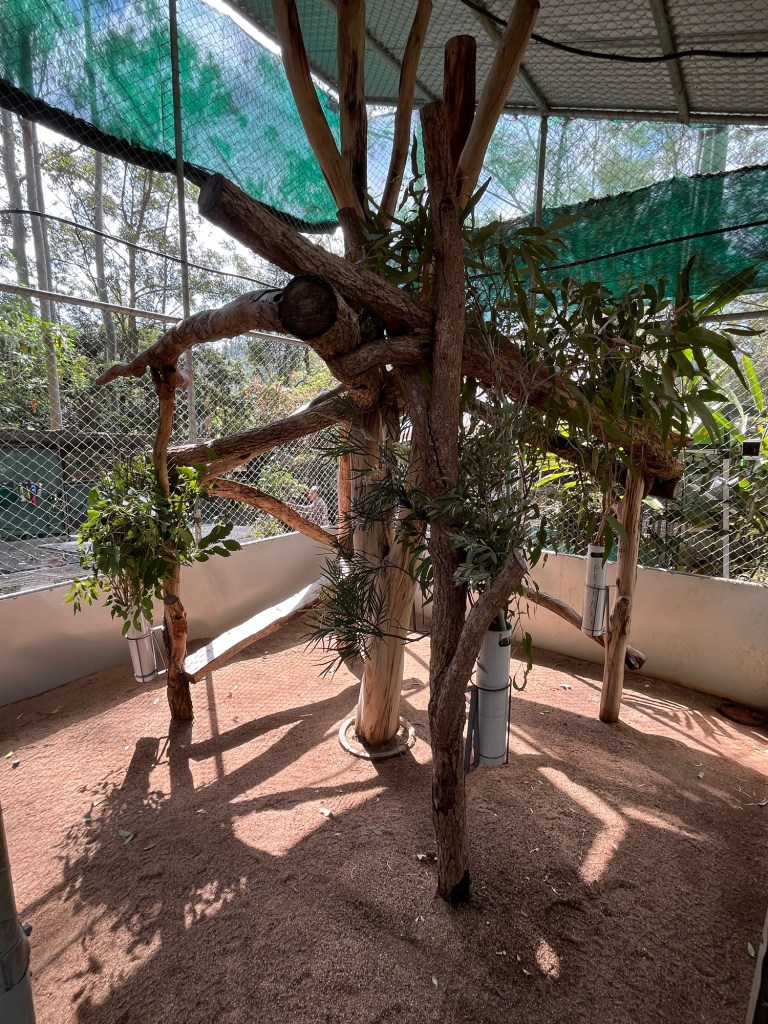
Gehege ausmisten:
Das Gehege auszumisten, läuft wie folgt ab: zuerst sammelt ihr alle Skats (Kot der Koalas) ein, rächt alle heruntergefallenen Blätter zusammen und bringt das aus dem Gehege (Run).
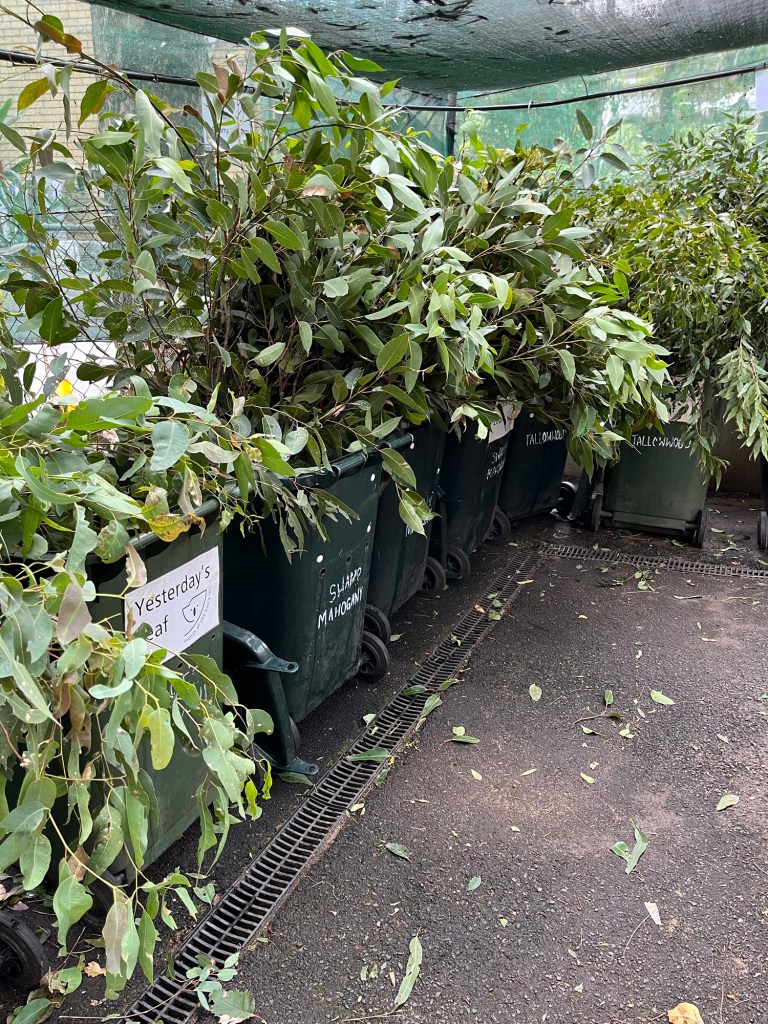
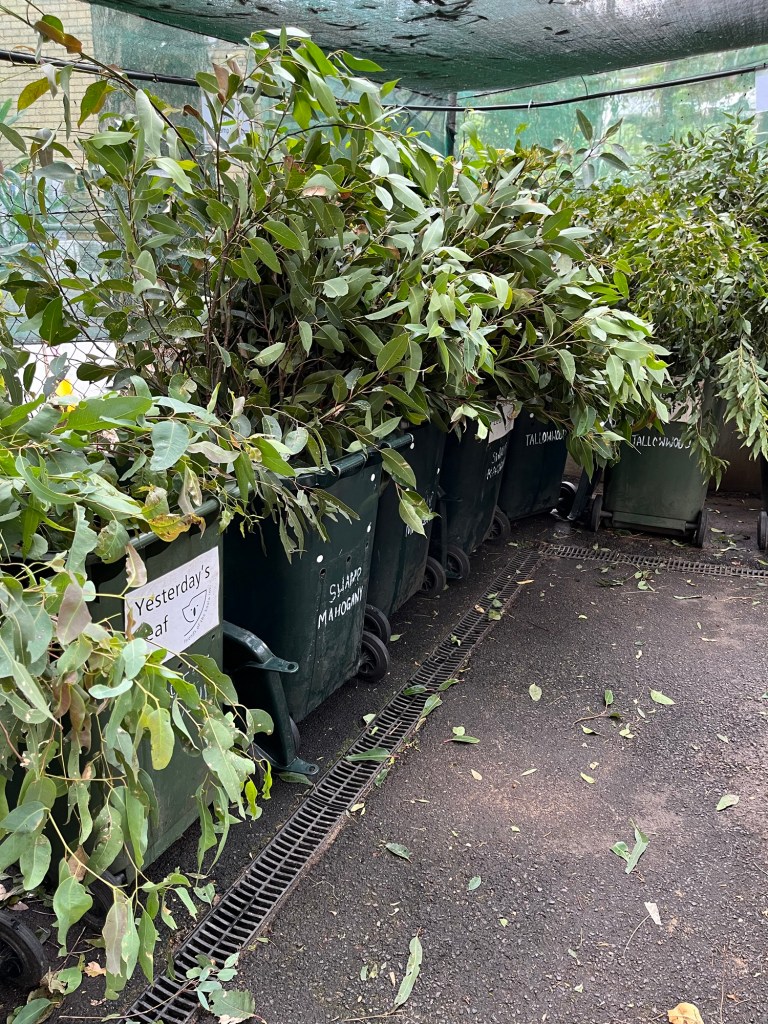
In jedem Gehege gibt es mindestens 3 Blätterpots, wo wir ihnen die verschiedenen Baumblätter einfüllen (Leaf Pots), die Koalas am liebsten essen. In den Primary & Recyceld Pot kommen 3 verschiedene Baumsorten: Forest Red Gum, Swamp und Tallowood – wir versuchen so viel Blätter & Äste wiederzuverwenden, daher prüfen wir erstmal pro Pot, wie viel Blätter der Koala abgeknabbert hat und ob man das nochmal verwenden kann. Wenn dem so ist, tauscht man nur aus, was man muss und schneidet alle Äste an, damit sie besser das Wasser weiter aufnehmen können. In den gereinigten Leaf Pots kommt das ganze dann zurück ins Gehege – ich kenne mittlerweile viele Koalas, die es kapiert haben, was passiert, wenn die Blätter rausgetragen worden sind und die es gar nicht abwarten können, bis die neuen Blätter wieder zurückgebracht werden – das ist unter anderem eine der Situationen, wo man das Gefühl bekommt, dass man von den Koalas etwas zurückbekommt, wenn sie sich so freuen und dann gleich anfangen an den neuen Blättern zu mampfen.
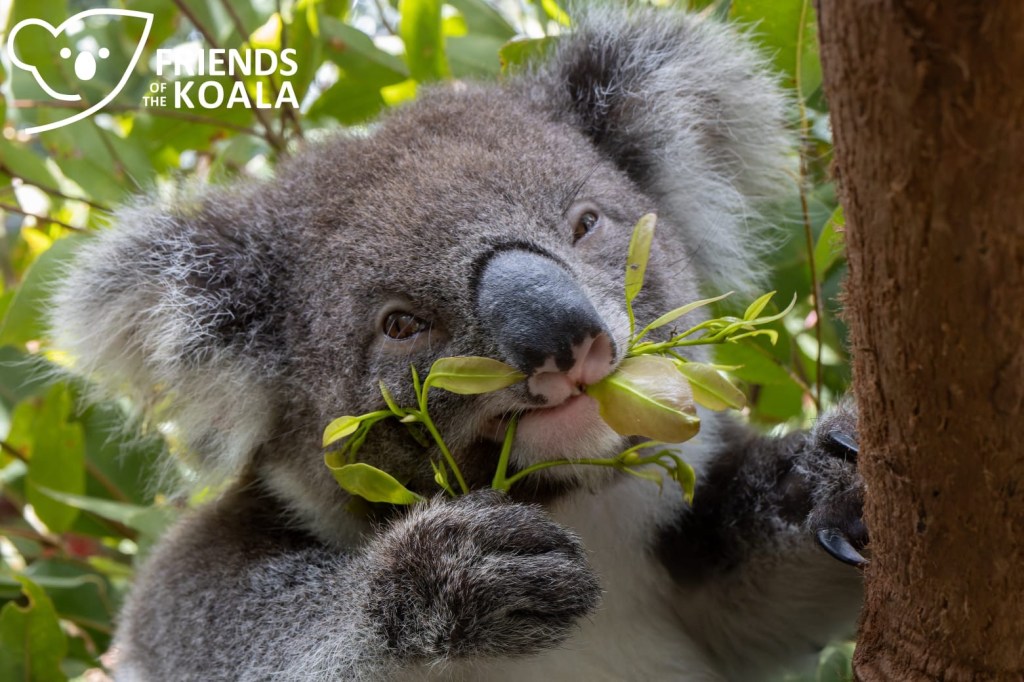
Im Secondary Pot befinden sich andere unterschiedliche Blättersorten, das wechselt immer, welche Sorten gesammelt werden. Sind alle Blätter erfrischt/erneuert, dann geht man nochmal in das Gehege, sammelt neue Skats auf, prüft final das Verhalten vom Koala und rächt nochmal durch bzw. spritzt den Boden ab.
Koalas, wie auch wie wir Menschen präferieren immer mal wieder verschiedene Blattsorten. Es kann also vorkommen, dass ein Koala z.B. fast nur Forest Red Gum und eine bestimmte Sorte Secondary Leaf. Andere wiederrum ignorieren das Secondary und futtern alle anderen Leaf Pots leer. Je nach Gesundheitszustand essen Koalas mehr oder weniger Blätter, daher ist es wirklich wichtig, dass wir das beobachten & später festhalten, damit die Tierärzte die richtigen Schlüsse aus dem Verhalten der Koalas ziehen können.
Das gleiche gilt für die Scats: Die Form & Anzahl der Scats ist ebenfalls unterschiedlich je nach Gesundheitszustand und gibt uns daher viele Informationen, welche wiederrum wichtig für die Tierärzte sind. Da diese nicht täglich alle Gehege besuchen können, übernehmen die Rehab & Care Volunteers dies und fassen alle Informationen für die Tierärzte zusammen.
Jeder Koala verhält sich anders, wenn ihr im Gehege seid. Pro Gehege gibt es eine Info Karte, worauf man sich konzentrieren soll für den jeweiligen Koala. Wir beobachten, wie sich ein Koala zu uns verhält (ist er interessiert an uns, ist er verschreckt, ängstlich, etc.), ob er durch das Gehege klettert, ob er klare oder entzündete Augen hat und wie sein Bottom (Popo) aussieht (z.B. kleben Scats dort, hat er Durchfall, etc.?).
Ist das komplette Gehege gesäubert, alle Aufgaben erledigt und ihr seid happy mit dem Gehege, dann werden alle eure Beobachtungen für den Koala zusammengefasst & notiert, damit sich die Tierärzte das am Ende der Schicht oder am nächsten Morgen ansehen können und Entscheidungen treffen können.
Weitere Aufgaben am Nachmittag:
Sobald alle Koalas versorgt sind, gibt es noch ein paar andere Aufgaben in der Nachmittagsschicht: die übrigen Blätter in der Leaf Area werden auf die Qualität geprüft – kann man sie morgen nochmal verwenden? Und die Leaf Area wird aufgeräumt, denn so manche Blätter oder kleinere Zweige fallen schnell mal auf den Boden, wenn jeder neue Äste rauszieht für seine Koala Gehege.
Außerdem wird die Wäsche (hauptsächlich Handtücher von den Transport Käfigen) gewaschen, aufgehängt und zusammengelegt – es gibt im Handbuch einen Abschnitt, wie die Handtücher gerollt werden müssen, aber das ist ziemlich einfach 🙂 Ebenso reinigt man und bereitet die zuvor genutzten Transportkäfige neu vor, damit das Rettungsteam sie einfach holen kann bei Bedarf. Ein bisschen geputzt wird auch.

Wir Internationals sind leider meist zu kurz dort, um das Training für die Treatments zu absolvieren, anfangs werdet ihr aber auch da mitgenommen, damit ihr das mal seht und das ist wirklich super cute: In kleinen Spritzen bekommen die Tiere ihre Medizin – bei manchen ist das ganz einfach, manche mögen das aber leider überhaupt nicht. Trotzdem ist es süß das mal mit anzusehen, da kommt dann ganz nah mit den Tieren in Kontakt.
Sind alle diese Aufgaben erledigt, so ist die Nachmittagsschicht auch schon vorbei – je nach Team, wie alle zusammen arbeiten und wie viele Koalas zu versorgen sind, ist mal schon um 3 Schluss, meist gegen 4, manchmal an wenigen Tagen ist man auch etwas länger hier.
Falls ihr keine Arbeit um eure Zeit im Krankenhaus herum in Lismore oder remote habt bzw. keine weiteren Verpflichtungen, so könnt ihr auch andere Rollen ausprobieren: z.B. unterstützt ihr Jen am Vormittag bei der Office / Reception Arbeit.
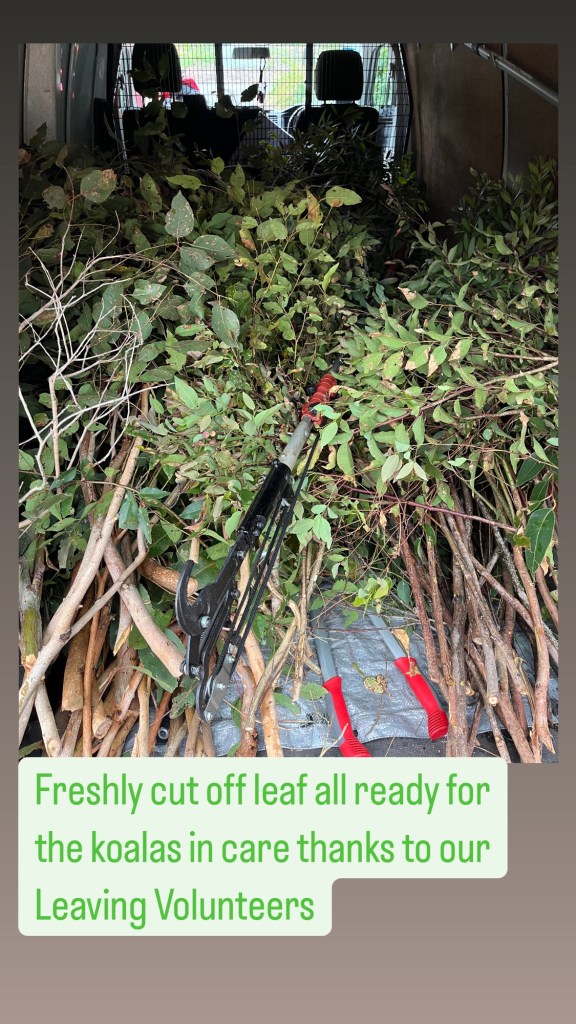
Ich kann euch auch empfehlen, mal das Leaving auszuprobieren. So lernt man mehr über die Flora & Fauna von der Region, kann die Bäume der Blättersorten kennenlernen & sieht die Plantagen, die die Organisation aufbaut. Gerade am Anfang, wenn man sich nicht so ganz mit den ganzen Baumarten auskennt, ist das eine super Möglichkeit. Leaver sind meist vormittags ab 08:00 bis max. 12:00 Uhr unterwegs, je nachdem wie viel neues Futter für die Koalas gebraucht wird bzw. je nachdem wie viele Koalas gerade im Krankenhaus gepflegt werden müssen.
Lovely Moments / Genesungen / Happy Endings / My Happystories
Man sieht ganz schnell einen Unterschied bei einem Koala zwischen wie er auf der Station aufgenommen worden ist und seinem Fortschritt ein paar Tage bis Wochen später, wenn man sich gut um ihn kümmert, das Tier die Medizin auch gut annimmt und sie zu wirken beginnt. Man merkt gerade bei Neuzugängen, dass sie den Kontakt mit uns Menschen wirklich nicht gewöhnt sind, oft sind sie recht nervös und zittern, wenn wir das erste Mal zu ihnen gehen.
Ich habe nun in meinen vier Wochen hier auch schon ein paar Erfolgsgeschichten bzw. Besserungen bei schwierigen Erkrankungen mitbekommen und es ist einfach herzerweichend, wenn man das dann selbst sieht:
Wir hatten eine Koala Dame, die von uns Sky getauft worden ist, ich habe ihren Run einen Tag nach ihrer Aufnahme gemacht, da war sie noch ganz verschreckt und ängstlich, nur 1,5 Wochen später war sie so lebendig und aktiv, ist mir durch den Run hinterher geklettert und war wieder so gesund, dass wir sie zurück in die Freiheit entlassen konnten. Zwar gewöhnt man sich mit dem Herzen ganz schnell an die süßen Tiere, aber man freut sich dann auch, wenn sie wieder in ihr echtes zuhause zurück können!
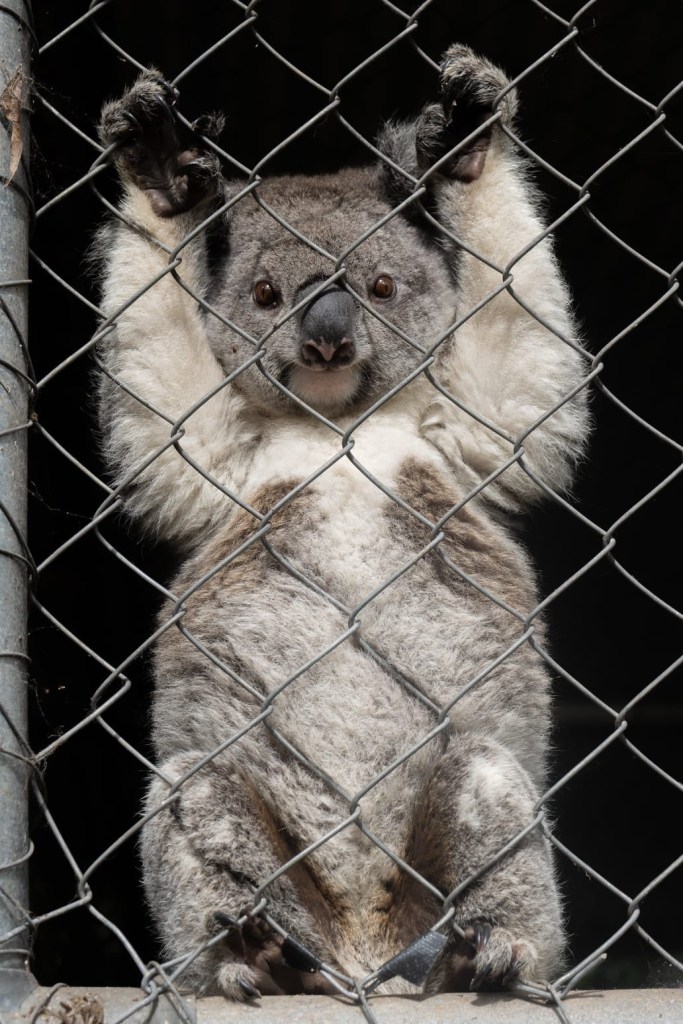
Auch unabhängig von sofortiger Besserung gibt es viele kleine Glücksmomente, die einem in der Schicht passieren können. So hat Lamington, den ich am Anfang meinen Grumpy Bear getauft habe, da er immer so traurig & beleidigt auf seinem Astgerüst saß, nun einige Besserungen gemacht und wird immer aktiver. Für mich hat sich das am meisten gezeigt, als er das erste Mal beim Blätter-wechseln mich angestupst hat mit seiner Nase, als ich die neuen Blätter reingebracht habe, weil ich ihm nicht schnell genug war – so ein Nasenkuss von einem Koala ist schon was ganz süßes!
Eine andere Koaladame namens Helen war meine Grumpy Cat – sie hat immer ihre Medizin verweigert und es war lange nicht sicher, ob sie es schafft. Doch in den letzten Tagen ist sie regelrecht aufgewacht und fängt an durch ihren Run zu klettern, frisst ganz fleißig ihre Blätter, sobald ich ihr neue bringe und wirkt auch viel fröhlicher auf einmal – da weiß man doch, wofür man diese Arbeit macht! Mich freut das immer von Herzen und gebe mir nochmal extra mehr Mühe, ihren Run schön zu gestalten. Mittlerweile ist sie auch schon einige Zeit wieder zurück in der Wildnis – ein Happy End!
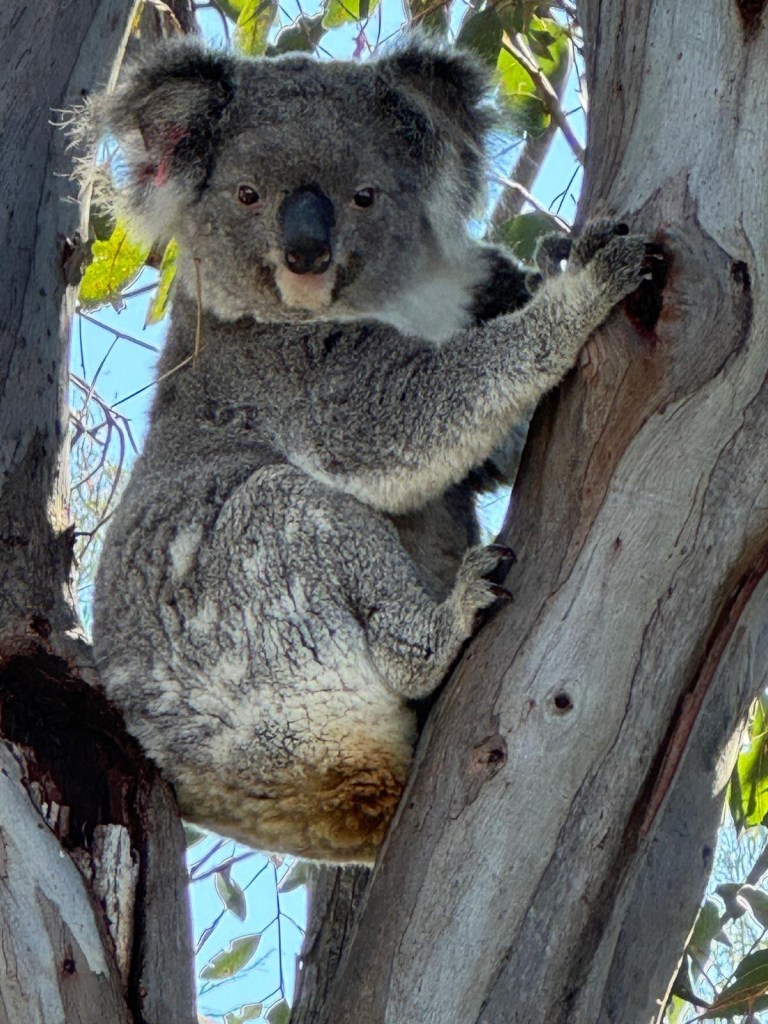
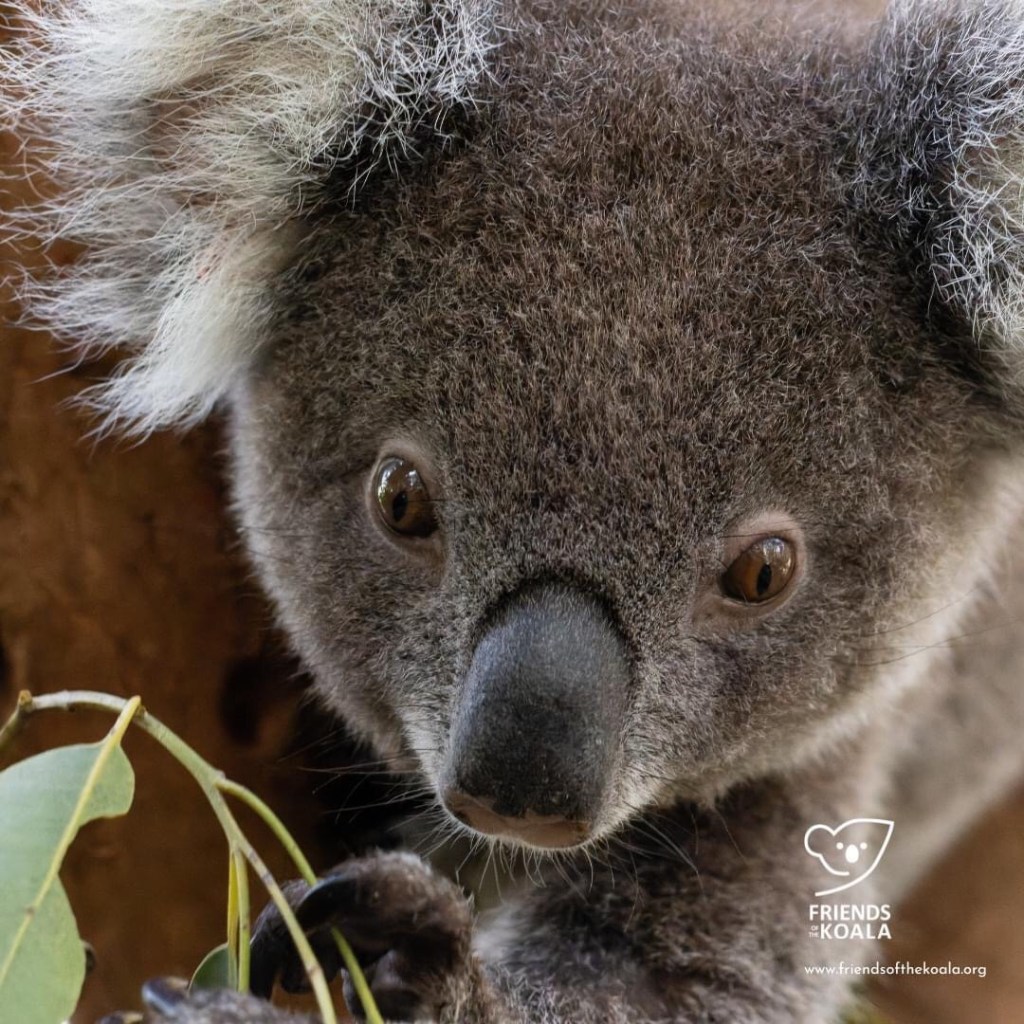
Wir haben aktuell auch zwei kleine Koala Kinder auf der Station: Brown Sugar und Hobi – beide extrem süß! Brown Sugar ist super schnell unterwegs in ihrem Käfig und kann es nie abwarten bis sie neue Blätter bekommt und klettert dir hinterher.
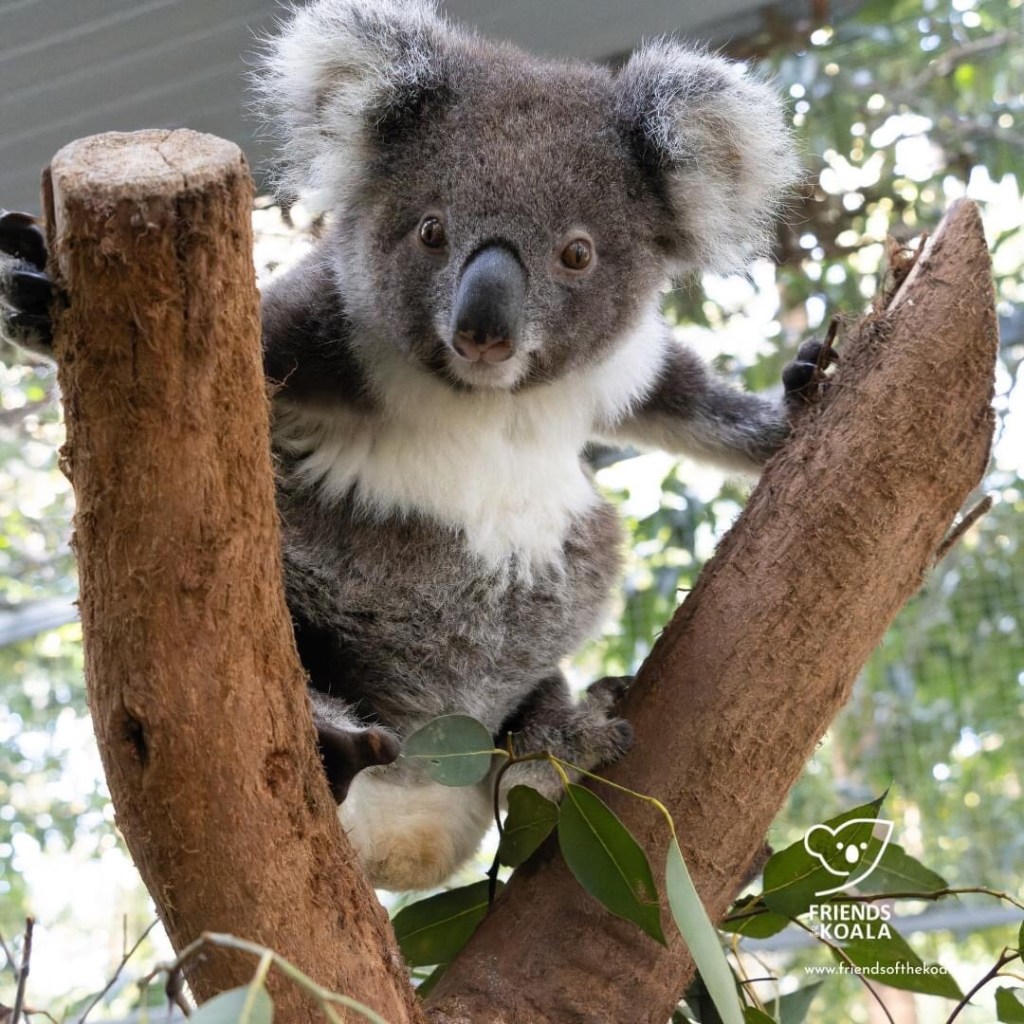
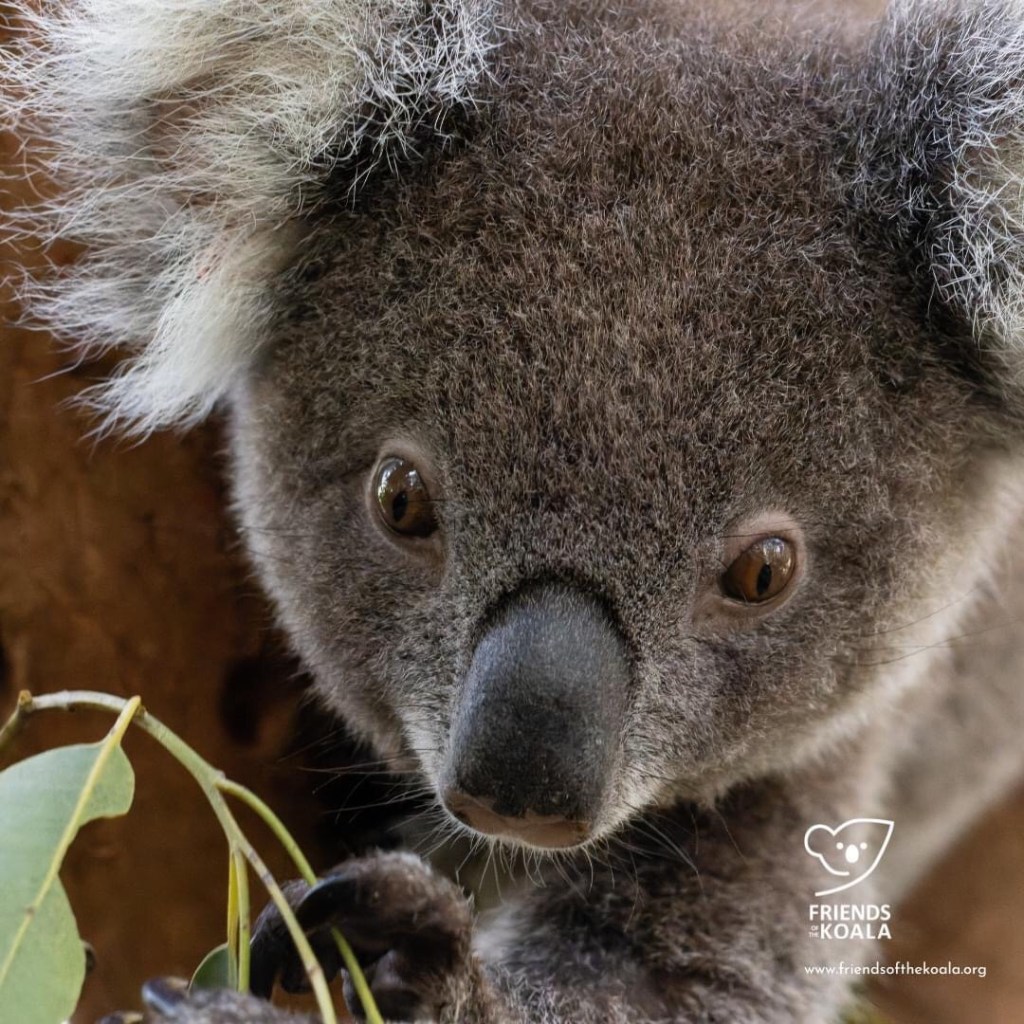
Hobi ist noch nicht mal ein Jahr alt, hat die schönsten Koala Kugelaugen, die man sich vorstellen kann und ist super interessiert daran, was man so in seinem Gehege macht. Als ich seine Astkonstruktion schrubben musste in einer Schicht, ist er mir hinterher geklettert und hat mir zugeguckt – und das obwohl er Wasser sonst nicht mag und hat erst nach einer Weile aufgegeben, weil ich nicht mit ihm gespielt habe – die Versuchung ist riesig, aber wir wollen sie ja auch in die Freiheit wieder entlassen, daher musste ich weiterschrubben und seine beleidigte Art wiederum war einfach zu süß!
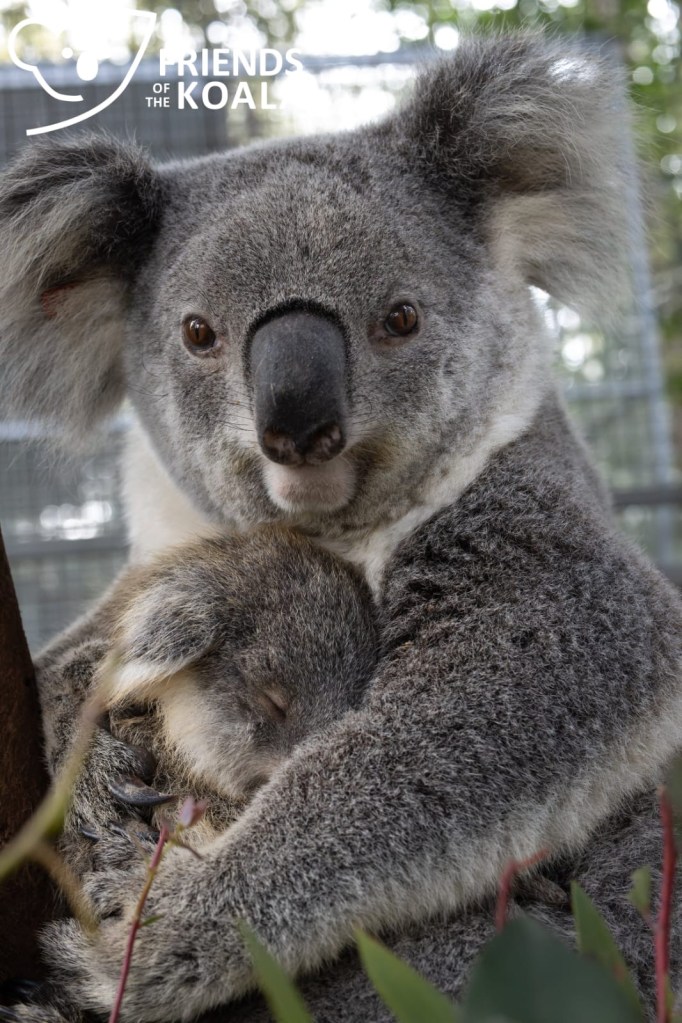
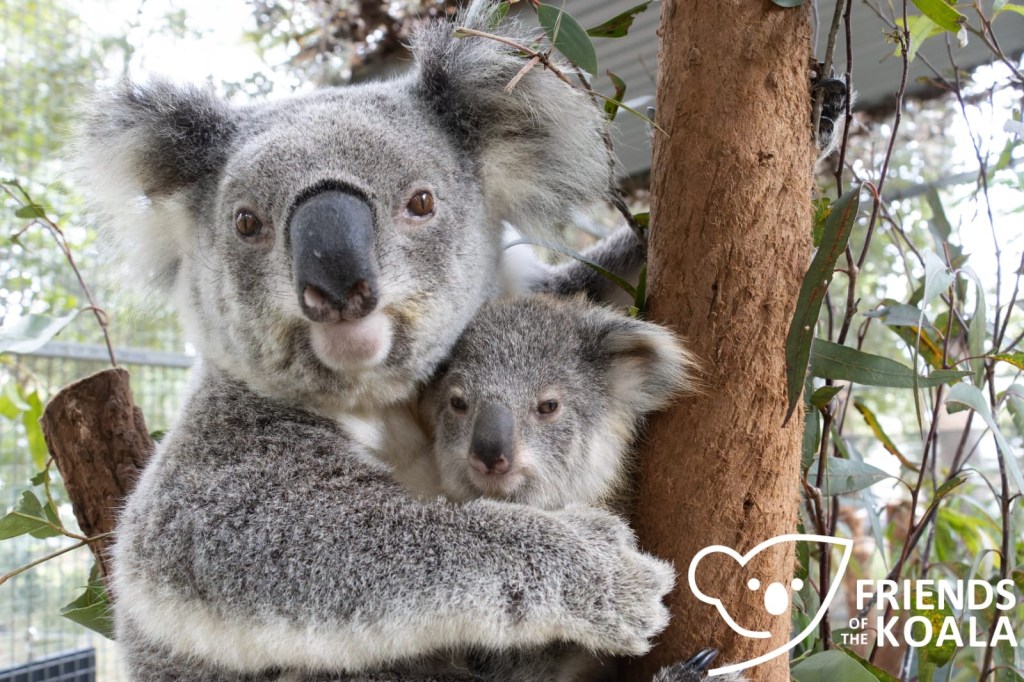
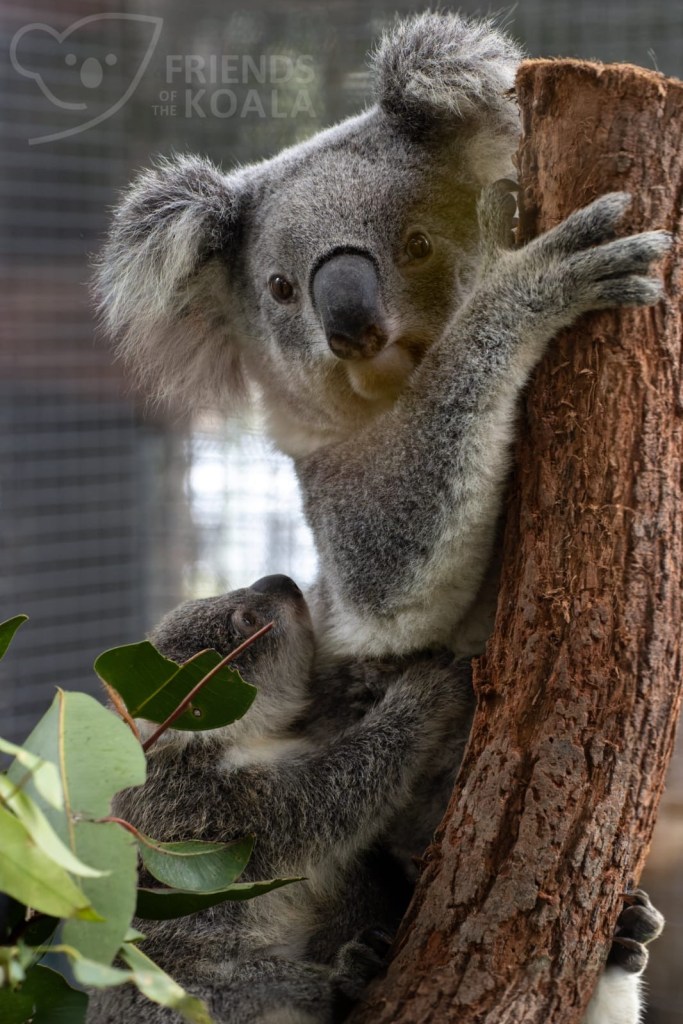
Aktuell ist Breeding Season, wir haben ein paar Mamas mit kleinen Babies auf der Station, das ist auch super knuffig. Ich bin hier meist vorsichtig, weil die Koala Mama natürlich sehr Acht gibt auf ihr kleines, aber letztens hing eines der Babies einfach kopfüber von ihrem Bauch und hat mich angeschaut – süßer ging es einfach nicht.
Doch nicht nur die Koalas geben einem so viel zurück, auch eure Team Member. In allen meinen 4 Schichten, die ich wöchentlich leiste, habe ich mittlerweile meinen Platz gefunden, bekomme Unterstützung, wo ich sie brauche und sonst lässt man mich einfach machen. Hier sind es die kleinen Momente: wenn sich der Schichtleiter für deine Energie heute bedankt, eine Kollegin vorbeischaut, was du machst und deine Art zu arbeiten lobt, eine Kollegin dir eine Koala Schlafmaske mit Travelpillow vorbeibringt, weil du erwähnt hast, dass es in Lismore keine Plüschkoalas gibt oder eine Kollegin meint, dass du hier ein kleines Koala-Paradies gestaltet hast in einem der Runs und wäre sie ein Koala, dass sie sich da ganz wohl fühlen würde und du einfach ein Auge dafür hast, sie schön zu gestalten. Mich freut das immer total und motiviert mich dann, weiterhin mich so zu kümmern & so macht die Arbeit einfach Spaß!
Fazit:
Wie ihr glaube ich schon insgesamt rauslesen konntet, ist die Freiwilligenarbeit auf einer Koala Station etwas ganz besonderes und eine Erfahrung, die ihr zuhause in Europe definitiv nicht machen könnt! Würde ich es nochmals machen, wenn ich die Zeit zurückdrehen könnte? Mehr als definitiv! Zwar freue ich mich auch immer auf meine freien Tage, da ich hier einfach mehr gemacht bekomme als um meine Schichten auf der Station herum, aber meist vermisse ich die kleinen Fellnasen schon nach einem Tag und freue mich auf die nächste Schicht!
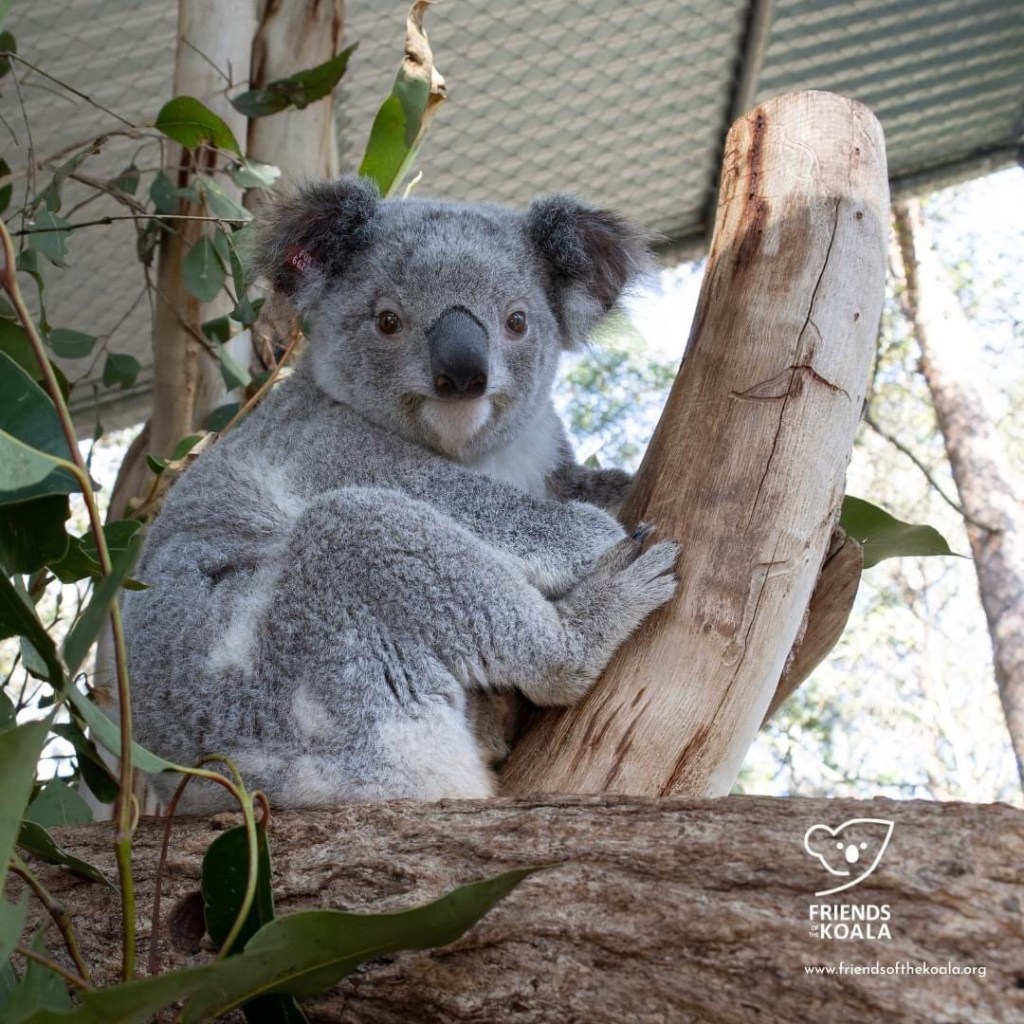
Ich habe ein Zeitfenster von circa 3 Wochen gewonnen, bevor meine Reise mit einer Reisebegleitung weitergehen wird, daher habe ich mich entschieden, noch 2 Wochen auf der Station zu verlängern – jetzt schon tschüss zu sagen, habe ich nicht geschafft – auch wenn der Abschied 2 Wochen später noch schwieriger war, denn man baut pro Tag auf der Station mehr Bindung zu den Koalas auf, aber das gehört dazu. Spätestens, wenn sie freigelassen werden, müssten wir uns ja auch von ihnen verabschieden.
Die Organisation lässt mir wirklich viele Freiheiten, wenn ich mal einen Tag frei brauche, dann ist das kein Problem, jeder kümmert sich hier super um mich.
Ich hoffe, euch hiermit mit meinen Erfahrungen & Geschichten dazu inspiriert zu haben, eure Zeit in Australien um eine Freiwilligenarbeit zu erweitern und die Koalas auf der Station zu unterstützen! Wenn ihr auf die Station kommt, werden natürlich wieder andere Koalas dort sein, aber ich kann euch versichern, jeder Koala, der zu uns auf die Station kommt, hat seinen eigenen Charakter und ist auf seine eigene Weise süß und ihr werdet auch solche oder ähnliche Geschichten erleben!
Wenn ich eure Lust geweckt habe, habe ich euch hier ein paar Links & Mailadressen hinzugefügt, um euer Abenteuer auf einer Koala Station zu verwirklichen! Habt viel Spaß und genießt die Zeit mit ihnen, ich vermisse meine Zeit sehr, habe so viel gelernt über Koalas und es geliebt mich um die kleinen grauen Fellnasen zu kümmern!
***English Version***
For most of us, Koalas equal grey little teddy bears or fur balls and we love to watch them sleeping at the local zoo in Europe. Whereas here in Australia the reality is different to what we see in Europe. Of course there are zoos existing, where you can have a look at them, but unfortunately in nature you find more sick or injured koalas as we can imagine in Europe. As Koalas are my favorite animals, it was clear pretty quickly, that I want to do some volunteering in Australia.
Unfortunately a lot of organizations require a payment of international volunteers in order to accept them as a volunteer. At first I was shocked that I have to pay money to work for free and do not get paid for accommodation and/or food and drinks. The tough reality though is the following: most of the organizations are not funded by the Australian government and survive on donations – with an increasing number of sick or injured koalas, that need taken care of – that is not the easiest to do! Especially medicine is pretty expensive – just as human medicine which we all know.
Friends of the Koala, Volunteer Roles & Application Process
After taking my time to research for volunteering places, I have found an organization that takes no money from the internationals: Friends of the Koala in Lismore in New South Wales.
Lismore? Never heard of it so far! Lismore is a smaller city, 45 minutes inland from Byron Bay. Public Transport to Lismore is rarely existing, Greyhound does not include this place in their itinerary, only Premier Bus Services drives here once a day (something I only found out when I was already in Brisbane). Having your own car is the most easiest. But taking the Greyhound until Byron Bay and then getting a one way rental car to Lismore is a good possibility as well (one way rental is possible).
There are currently around 300 volunteers working at the Friends of the Koala. We have people working in the following volunteer roles:
Our Hotline Team is available 24 hours a day – including weekends for calls concerning spotted Koalas. Our team will ask the caller questions about the koala, how it is behaving, if it is hurt or seems healthy. Once they have decided, that this koala has to be inspected by experts, they pass the information on to the Rescue & Release Team.
The Rescue & Release Team is available everyday around the clock, driving out to a roundabout max. of 3h per car to rescue a koala – superheroes! Once they arrive at the place, the koala has been spotted, the talk to the contact person, examine the koala and decide whether it is healthy or needs transport back to the hospital in one of the rescue cages.
Once the koala has been brought back to the hospital, the vet team does a first examination of the koala and get them set up in a run, starting a medication plan. The vet teams are also responsible for the progress of a koala, doing their best to nurse them back to health or make the hard decision whether it would be best to free him or her from all pain and send them to heaven.
Everyday the runs of the koalas are cleaned out and the animals observed by the Rehab & Care Shift. They are also responsible to note any sightings/abnormalities as well as giving out the medicine and supplements.
Once a koala is nursed back to full health and it is ready to go back into the wild, it is time for the Rescue & Release Team to take them back to where they originally came from. Some are fully released, some are doing a soft release, where they live in an enclosure with trees but are observed by volunteers before the full release.
As 300 volunteers need sorting and organization, there is also the reception/office team in charge. They are the first contact for visitors with enquiries about the work that we do, take deliveries, answer the phone or help out Jen, our volunteer coordinator. She holds all the strings together and is there for every inquiry of any volunteer as well as the induction of new volunteers.
How do I become an international volunteer?
The application process for internationals is pretty simple: you draft
an E-Mail to Jen, the volunteer coordinator and include the following in it:
who you are, why you want to become a volunteer and from when until when you will be in Lismore. I have organized all this from Germany already, we started having contact by the beginning of April for my start in August – when I arrived at the station Jen told me, she had a feeling she knew me already as we had so much contact before.
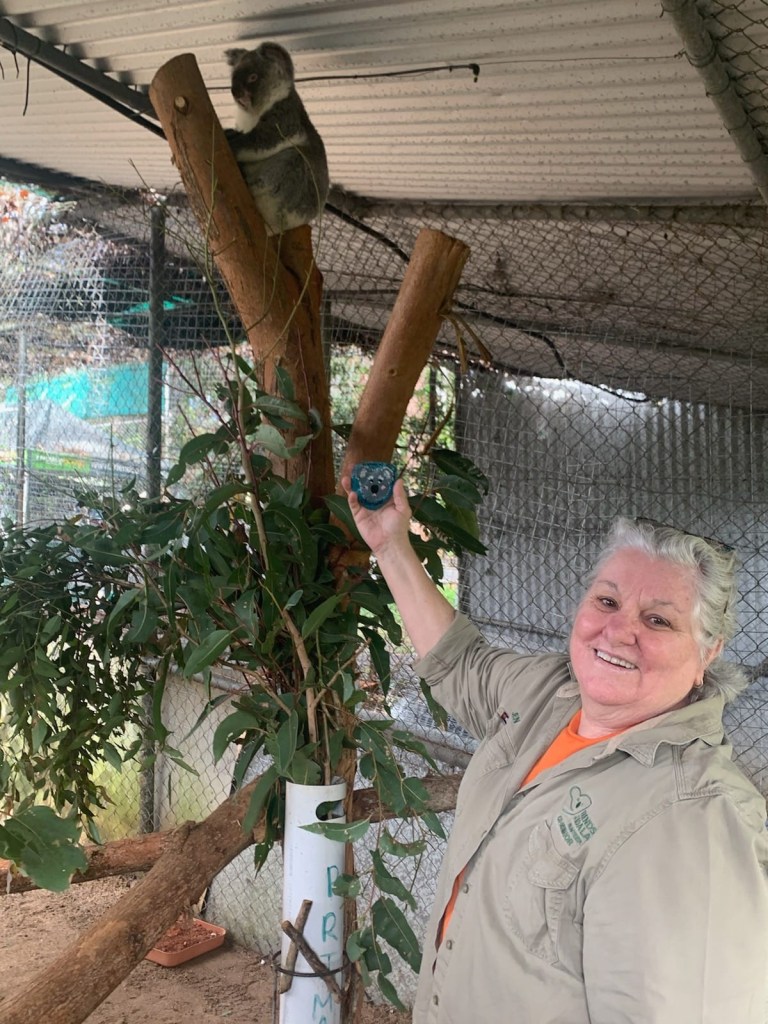
You can organize your volunteering more shortly as well but there are not a lot of airbnb places in Lismore, no hostels and unfortunately my airbnb host is quitting the airbnb business, therefore there will be even less places available. Alternatively, there are two campsites / tourist parks in central Lismore that you can use, when you are traveling with your own van or with a tent.
Before your official first day at the station, you will meet with Jen for an induction. Here Jen is going to go through all the paper work with you: what you need to take care of, which rules exists and you fix your roster. You can choose, how many days you want to work for, even though they mention 5 days a week as mandatory on the website. There are 2 shifts in the Rehab & Care Team per day: the morning shift and afternoon shift. Morning shift is from 09am until 12pm and afternoon from 12:30pm until 04:00pm. The most contact with the koalas will be in the afternoon.
Morning Shift Rehab & Care Team:
During the morning shift, there is generally mostly office and reception work that needs to be done. This can be everything from telephone assistance, E-Mails, To Dos from Jen or printing out stuff.
Apart from this, you can help the morning care team, who mostly give out supplements & medicine to the Koalas. Depending on the number of koalas currently in care, they may not have enough time to take care of the cleaning of the transport cages, hanging up the laundry or folding dried out laundry. These smaller jobs take up a lot of time and the team of the morning care team is happy about your help – this way the afternoon shift has also less things to do as well.
Afternoon Shift Rehac & Care Team:
During the afternoon shift, we mostly take care of the runs the koalas live in. At the beginning there is a team meeting with the vet per day, how the koalas are doing and if we should keep an eye out for something specific, etc. Afterwards the runs are assigned to the team. Normally you do around 1 to 2 runs per shift.
If you now think, that the work we are doing here is pretty easy or we cuddle the whole shift with the koalas, I have to tell you otherwise. Koalas are wild animals and we are taking care of injured animals, that are supposed to be released back into the wild afterwards. Therefore there is no koala cuddling, you clean up the run and assist, where you can with the more experienced volunteers. For me this was no problem, I knew that from the beginning on, but think it’s important to mention this now, so that you don’t get false hopes. You still get back so much even though you have no direct contact with them, they give you back so much in their behavior, that it is a lot of fun to do the work.
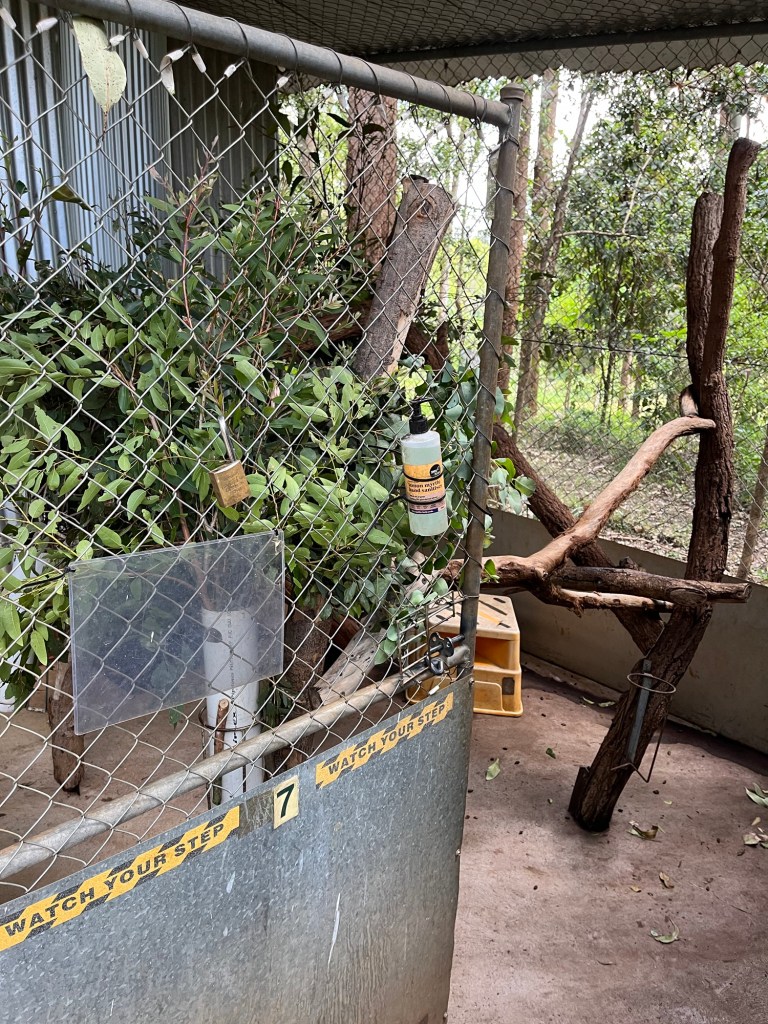
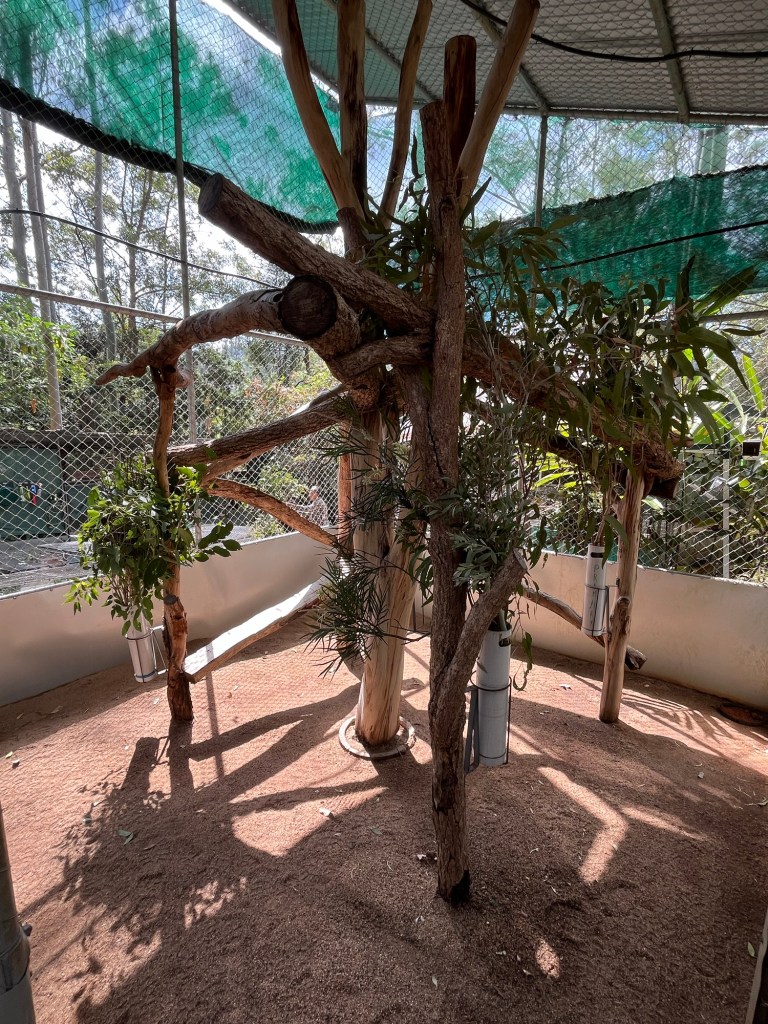
Run Cleaning:
The cleaning of the run goes as following: first you collect all the scats (poop) as well as all fallen leaves from the ground and bring that out of the run with the sifter.
Every run contains at least 3 leaf pots, where we fill in the different favorite leaf sorts of koalas. The primary and recycled pots contain the following 3 leaf sorts: Forest Red Gum, Swamp and Tallowood – we try to recycle as many leaf as possible.Therefore you check the pot for the amount of leaf that the koala has eaten and if we can re-use the leaf or not. If we can re-use it, we give the leaf branches a new cut, so that they can absorb more water. The cleaned leaf pots go back to the run – I now know some koalas who have understood, what happens, when we take out the leaf for refreshment and can’t wait for you to go back into the run and get new leaf for eating – this is one of the situations, where I feel given back by the koala, when they are so happy about the new leaf and start munching on it immediately.
In the secondary pot are other varying leaf sorts – the leaf changes according to what is collected. After all leaf pots are refreshed & cleaned, you go back into the run for a final check, collect new scats, check the koala’s behavior and sort through the run or give the bottom a hose with water.
Koalas, just like humans, have specific appetites. Some koalas prefer for example mostly the Forest Red Gum leaf and eat some of the secondary, whilst other koalas eat all the primary & recycled leaf and will ignore the secondary leaf. Depending on how healthy they are, they will eat more or less leaf, which is why it is important to note how much they have eaten for the vets daily.
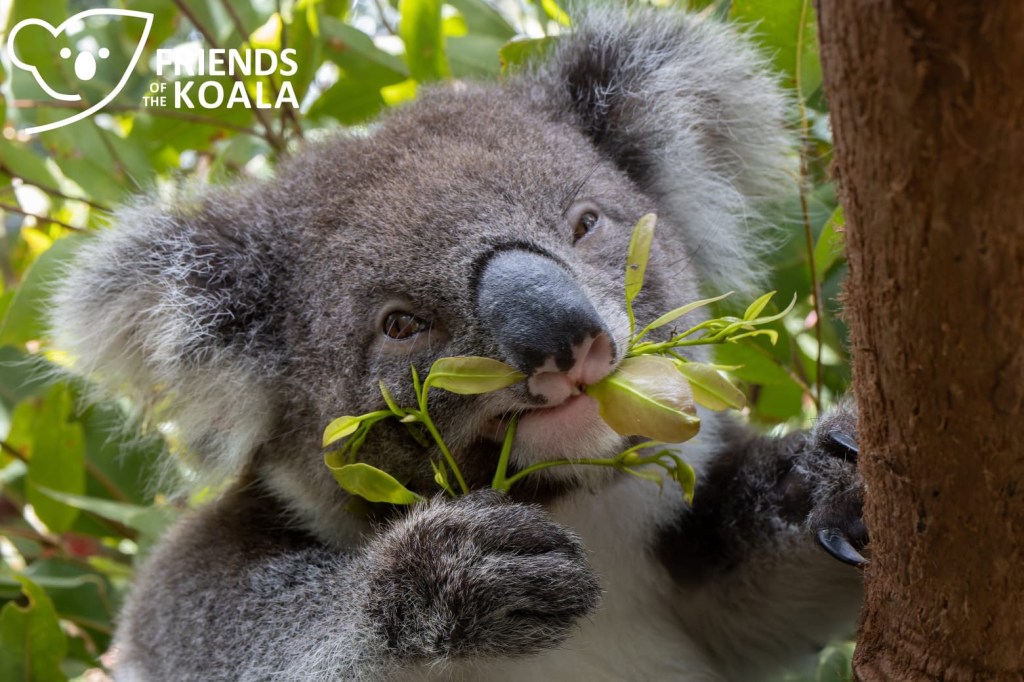
After the run is clean, the scats are counted and checked for their form & size. The form as well as the size and number of scats are also health or sickness indicators and are therefore a vital information for the vets.
Koalas behave differently also depending on their health as well: whilst at the beginning, they are mostly nervous and frightened. After calming down, it is important to know whether or not the koala is interested in you, if he observes you, if his eyes are clear or ill and how his bottom looks like.
With all this info, you go back to the office and note down the following into the computer system per koala: how the koala behaved, if he observed you, how he interacted, how much he has eaten, the amount of scats and if there was anything interesting.
Other afternoon tasks:
Once all koala runs are taken care of, there are a few other tasks, that need to be done on a daily basis: the remaining leaf is checked for quality / can it be re-used in tomorrow’s shift? The area is also cleaned up, as leaf and smaller branches fall off to the ground, when you collect new leaf for the leaf pots.
There is also always laundry to be done (containing the towels used for the transport of the koala) that needs to be washed, hanged and folded – there is a whole section about towel folding in the handbook, but don’t worry it is pretty simple! 🙂
We also clean and re-prepare the used rescue cages, so that the rescue team can simply pick them up if need arises. We also clean the area & offices as well. We internationals are most of the time not long enough at the station to be able to do treatments. At the beginning of your volunteering you will accompany other trained volunteers to give out supplements & medicine to the koalas – some animals love it, some don’t like being fed at all. It is something really cute to observe as you get in the closest contact with the animals.
As soon as all tasks are done, the afternoon shift is done – depending on the team, how well all work together and how many koalas need taken care of, we finish between sometimes already 3pm, mostly 4pm and some very rare days we finish after 4pm.
Lovely moments / Successful releases / Happy Endings / My Happy Stories
You can easily see the difference between a koala, that has been brought in recently and his improvement a few days or weeks later, when it is taken care of lovingly and the animal is accepting the medicine and it starts to get better. When a koala is newly brought in, you can really feel and see how koalas are not used to the contact with human beings, they are nervous and shake, when we enter their run for the first time.
During my 4 weeks at the station I have experienced some happy stories or improvements of serious infections and it is heart warming when you experience that:
We took care of a koala girl which we named Sky. I have cleaned her run on her second day with us. At this time she was still very nervous and frightened, just 1,5 weeks after she joined us, she was really active and loved her life, started climbing throughout the run behind me whilst I was there cleaning it and soon was back to full health and we could release her back into the wild. Though you get easily attached to these sweet animals, we are always really happy when they come back into their real home!
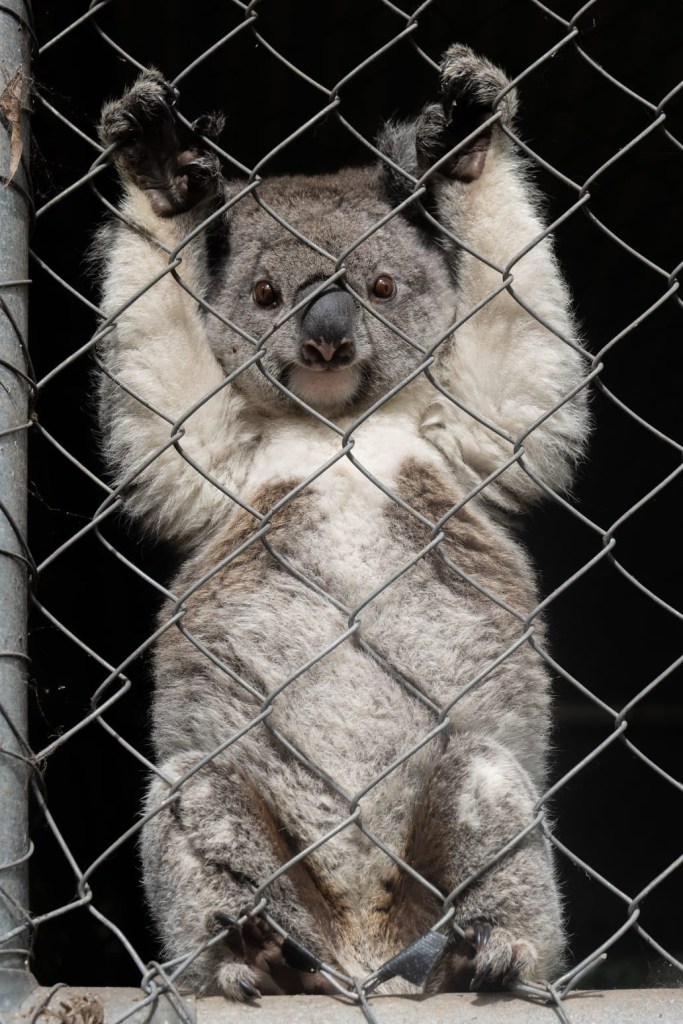
Apart from happy endings in releases, there are other small happy moments, that can happen during a shift like with Lamington: I called him my little grumpy bear as he was always sitting unhappily & grumpy on his branches. After a few weeks with us he started improving in his behavior and is getting more and more active. The first moment, that I have realized that was when he was observing me whilst changing his leaf pots. I was not fast enough for him arranging them back in his run, so he gave me a nose kiss in order to tell me to get a move on so that he can start munching the new leaf – getting a nose kiss is something extremely sweet!
Another koala girl is called Helen – I named her my grumpy cat. She never wanted her medicine and it wasn’t certain, wether she would pull through or not. But in the last few days she literally woke up and starts climbing through her run, is eating her new leaf that I bring her really well and seems a lot happier now – you really know why we are doing our job, when you see that! I’m always really happy and it warms my heart and I give an extra effort to make the run as pretty & good for the koala as I can. She has been back into the wild for a few weeks now as she progressed to full health!
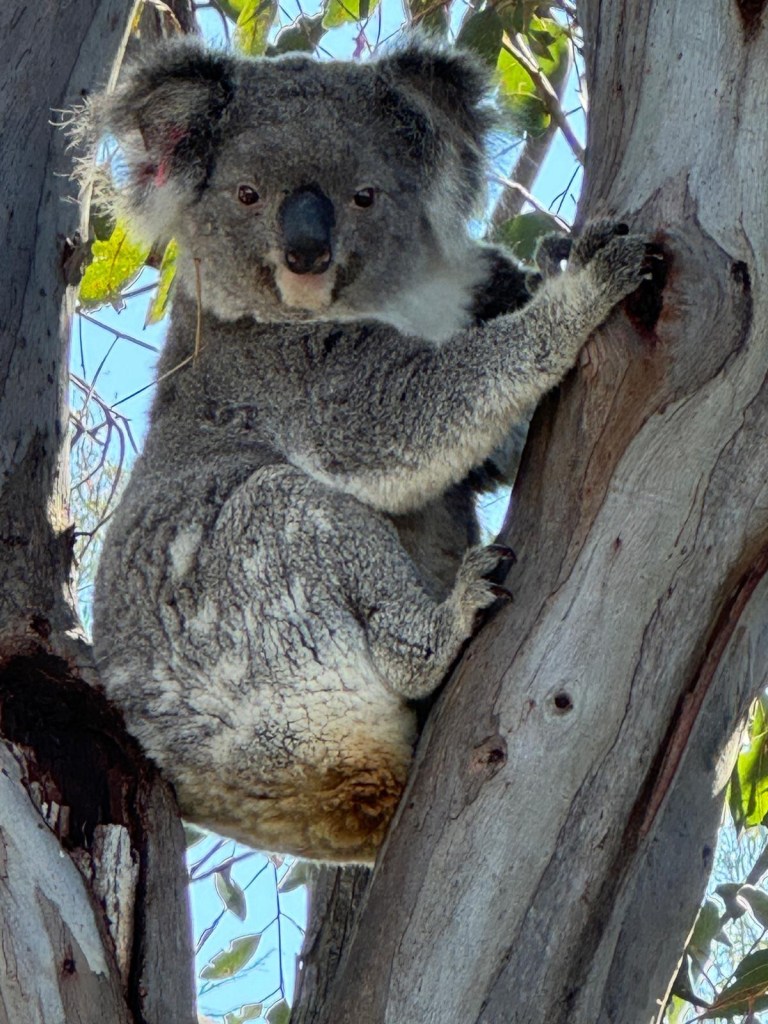
We currently take care of 2 koala kids: Brown Sugar and Hobi – both extremely sweet! Brown Sugar is super fast in her run and is waiting impatiently for her new leaves and is climbing after you through her run.
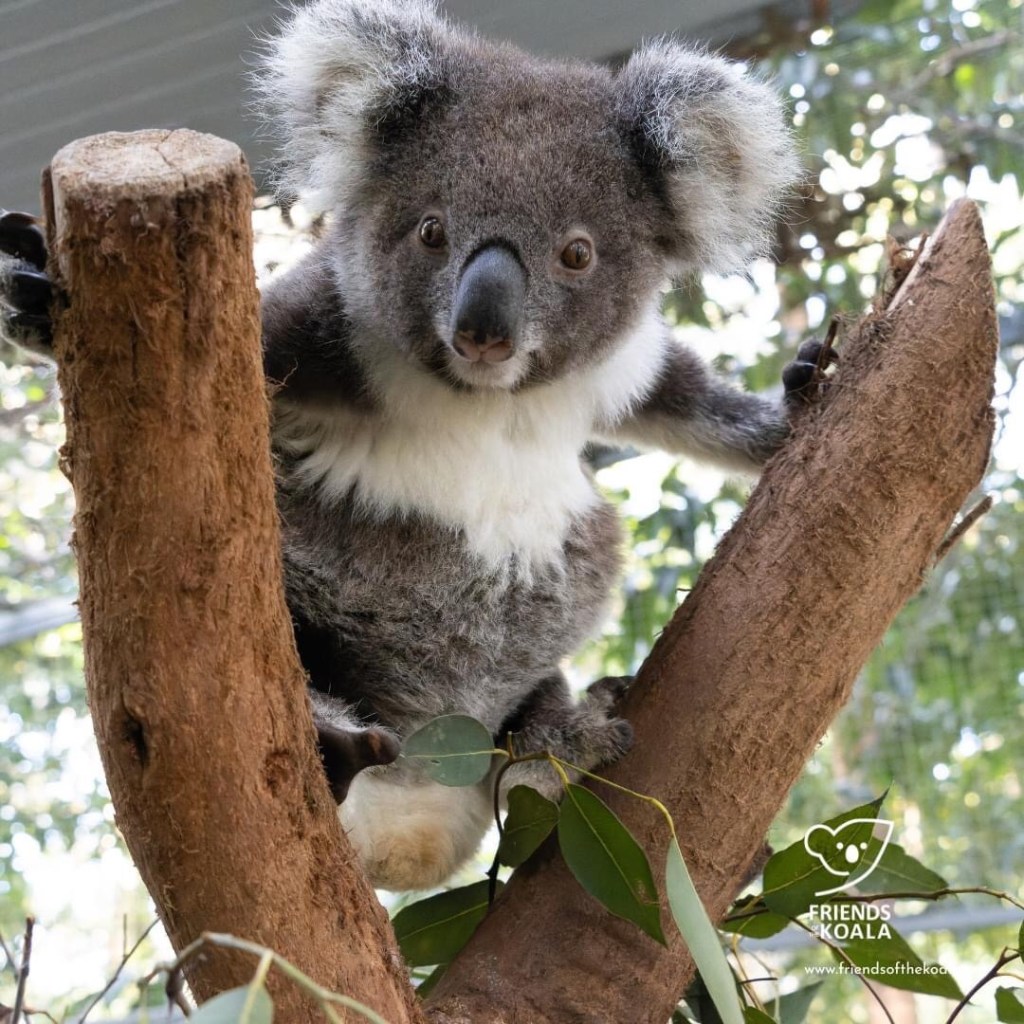
Hobi is not yet a year old, has the biggest round koala puppy eyes, that you can imagine and is super interested in what you are doing in his run. Once while I had to scrub/clean the branches of his run, he climbed after me and watched me doing it – even though he hates water and has lasted a while until he was insulted as I did not play with him instead – the temptation is big, but we want to release them back into the wild and not domesticate them, so I had to continue scrubbing – but his insulted behavior was so cute to watch.
It’s currently breeding season, so we have some mothers with their babies at the station, which is also really cute. I am mostly cautious as the koala mum is normally rather protective about their babies. A few weeks before, one of the babies was happily hanging with his claws upside down from his mum’s stomach and watched me – how cute is that?
But it’s not only the koalas who give back so much, it’s also your daily team crew. In all of my 4 shifts per week, that I do weekly, I have found my place, get the support I need and otherwise can do my work on my own. There are small moments as well: when your shift leader thanks you for your energy today, a colleague comes to your run to see how you are doing and praises the work you are doing or a colleague buys you a koala sleeping mask & travel pillow because you mentioned, that there are no stuffed koalas available in Lismore. Or when a colleague has a look at the run you’ve just done and tells you if she were a koala, she’d love the paradise you just created and that you have an eye for it. I am always really happy about praise like this and am motivated to keep going with my work & care – this way the work is just more fun!
Conclusion:
I think you can read from my text above, the volunteering work at a koala station is something really special and an experience that you will definitely not make home in Europe! Would I do it again, if I could turn back time? More than definitely! Though I am loving my days off during the week, as I get more blog work or other stuf done on a day of as around my shifts, I miss the small little grey fur balls after one day and am really looking forward to my next shift!
I have won 3 weeks before my travel continues with my travel companion, therefore I have decided to do 2 more weeks at the station – saying goodbye was not possible for me – even though I just moved the goodbye part and it was harder the two weeks afterwards as the involvement with the koalas grows with every shift, but that’s part of the job. Latest when we give them back into the wild we have to say goodbye to them anyways.
I have a lot of freedom at the station, if I need a day off this is no problem, everyone is really taking care of me here.
I hope I have inspired you with my experiences & my stories, to include volunteering at the koala station during your time in Australia! When you get to the station, there will of course be other koalas being nursed there now, but I can ensure you, every koala that comes to the station has it’s own character and is cute in it’s own way and you will experience similar stories as mine.
If I got you interested, I have included some links & mail addresses to this blog entry below, in order to get you going to your volunteering at the koala station! Have a lot of fun there and enjoy yourselves, I truly miss my time there! Links: Website of Friends of the Koala and the Volunteer Site, Mail Adress: Jen’s Mail Address
Friends of the Koala Website: https://friendsofthekoala.org
Volunteering for Friends of the Koala: https://friendsofthekoala.org/volunteer/
E-Mail Adresse von Jen Rudolfi: volunteercoord@friendsofthekoala.org
Instagram Account: friends_of_the_koala


Kommentar verfassen